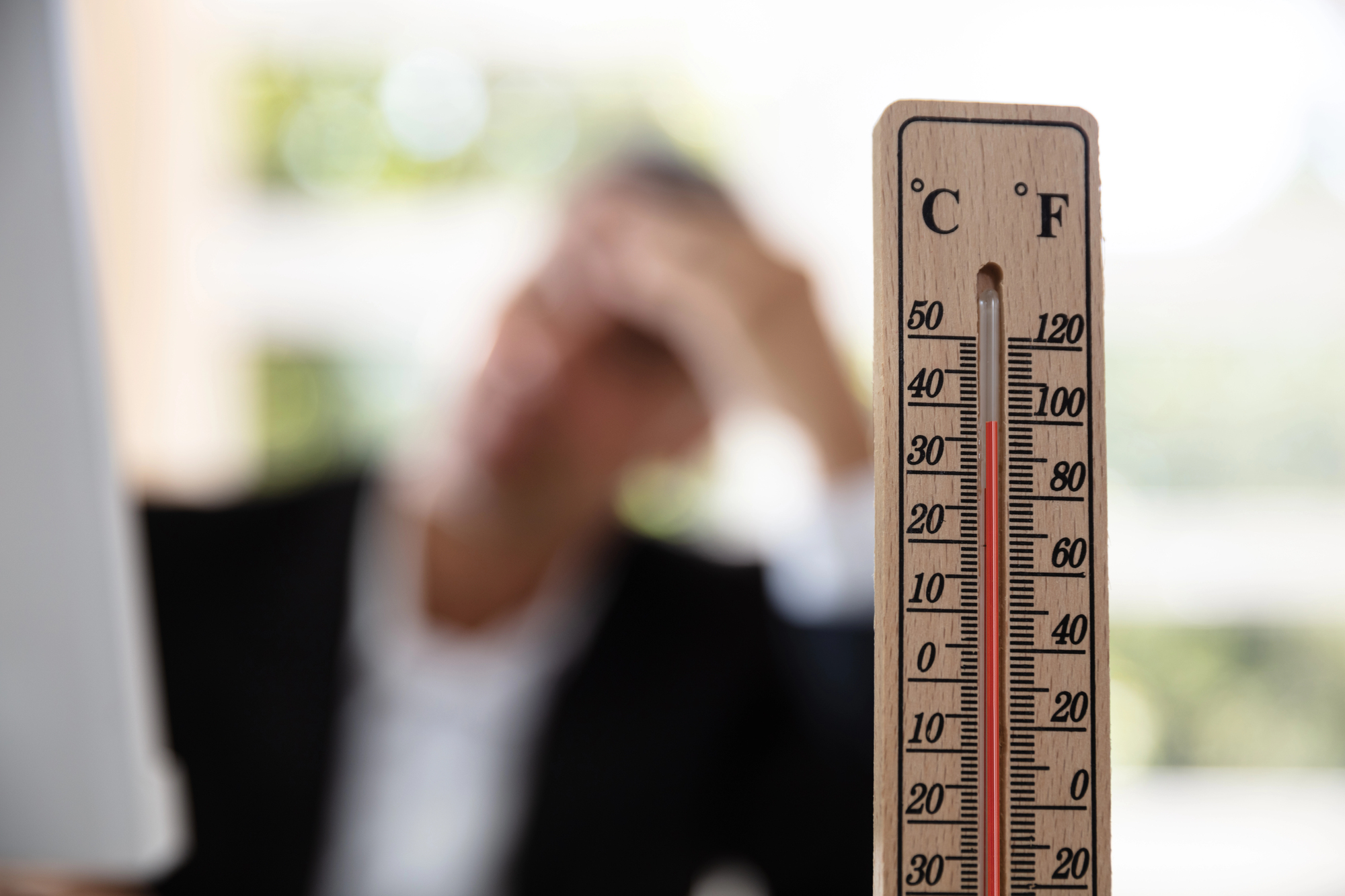
Living with a chronic condition in Central Texas means navigating an extra layer of complexity that many people don’t think about: extreme heat. When temperatures soar well above 100 degrees for days or weeks at a time, the impact on your body goes beyond discomfort. For those managing diabetes, heart disease, respiratory conditions, or other chronic illnesses, prolonged heat exposure can trigger serious complications that derail your health stability. Understanding how heat affects your specific condition and taking proactive steps can make the difference between a healthy summer and a medical emergency.
Your body works hard to regulate its temperature, but extreme heat puts extra stress on systems that may already be compromised by chronic disease. When it’s blazing hot outside, your heart has to pump more blood to your skin to cool you down, which can be particularly challenging if you have cardiovascular disease or high blood pressure. Your body also loses fluids more rapidly through sweating, which affects everything from blood sugar levels to medication concentrations in your bloodstream.
People with diabetes face unique challenges during heat waves. High temperatures can affect how your body uses insulin and processes blood sugar. Insulin stored improperly in hot conditions can lose its effectiveness, and heat can cause blood vessels to dilate, potentially speeding up insulin absorption and increasing the risk of low blood sugar. Additionally, extreme heat can damage glucose monitors and testing strips, leading to inaccurate readings when you need reliable information most.
For those managing respiratory conditions like asthma or COPD, hot weather often brings poor air quality, higher ozone levels, and increased airborne irritants. These factors can trigger symptoms and make breathing more difficult. The combination of heat and humidity creates an environment where your lungs have to work harder, potentially leading to exacerbations that require medical intervention.
Heart disease patients need to be especially vigilant during extreme heat. The cardiovascular system already works harder in hot weather, and if you’re taking medications like beta-blockers or diuretics, your body’s ability to regulate temperature and fluid balance may be further compromised. Some blood pressure medications can also make you more sensitive to heat and sun exposure.
Many common medications used to manage chronic conditions can either be affected by heat or can impair your body’s ability to cope with high temperatures. Diuretics, often prescribed for high blood pressure or heart failure, increase fluid loss and can heighten dehydration risk. Some blood pressure medications affect your body’s cooling mechanisms. Antihistamines, antipsychotics, and certain antidepressants can interfere with sweating, which is your body’s primary cooling system.
Store your medications properly during hot weather. Most should be kept at room temperature, which typically means below 77 degrees Fahrenheit. If your home gets hotter than this, find the coolest spot available away from direct sunlight. Never leave medications in a hot car, even briefly. If you use insulin or other temperature-sensitive medications, consider getting a medical-grade cooling case for times when you’ll be away from climate control.
It’s also worth having a conversation with your healthcare provider about whether your medications need any adjustments during extreme heat periods. Some people may need to monitor certain health markers more closely or adjust dosages temporarily based on activity levels and heat exposure.
Hydration becomes critical when you’re managing a chronic condition in extreme heat, but it’s not always as simple as drinking more water. If you have heart failure or kidney disease, you may have fluid restrictions that need to be balanced carefully with increased heat-related fluid loss. Work with your doctor to develop a hydration plan that accounts for your specific condition and any dietary restrictions you might have.
Plan outdoor activities strategically. Early morning before 10 a.m. or evening after 7 p.m. are generally cooler times. If you need to be outside during peak heat hours, take frequent breaks in air-conditioned or shaded areas. Dress in light-colored, loose-fitting clothing made from breathable fabrics, and don’t forget a wide-brimmed hat and sunglasses.
Monitor your symptoms more closely during heat waves. Check your blood sugar more frequently if you have diabetes, pay attention to any changes in breathing patterns, and watch for signs that your body is struggling with the heat. These warning signs include excessive fatigue, dizziness, rapid heartbeat, nausea, confusion, or decreased urination. Don’t dismiss these symptoms as just being “too hot”—they could indicate a more serious problem that needs immediate attention.
Create a cool refuge in your home. If you don’t have air conditioning or want to minimize energy costs, focus on cooling one room effectively. Use fans strategically, close blinds during the hottest part of the day, and consider cooling towels or vests designed for heat management. During extreme heat events, many communities open cooling centers at libraries, community centers, or malls where you can spend the hottest hours of the day.
Heat-related illness can escalate quickly, especially when chronic conditions are involved. Heat exhaustion symptoms include heavy sweating, weakness, cold and clammy skin, nausea, and dizziness. If you or someone you’re with shows these signs, get to a cool place immediately, sip water, and use cool compresses. If symptoms don’t improve within 30 minutes, seek medical care.
Heat stroke is a medical emergency. Warning signs include a body temperature above 103 degrees, hot and dry skin (or sometimes heavy sweating), rapid pulse, confusion, and loss of consciousness. Call 911 immediately if you suspect heat stroke.
Beyond acute heat illness, watch for signs that your chronic condition is destabilizing. Unexplained blood sugar fluctuations, increased shortness of breath, chest discomfort, significant swelling, or any dramatic change from your baseline requires a call to your healthcare provider. Don’t wait to see if things improve on their own.
Living in the Austin or Leander area means preparing for extreme heat as a regular part of life, not an occasional inconvenience. Stock up on supplies before heat waves hit—extra water, electrolyte drinks appropriate for your dietary needs, and any cooling products you find helpful. Make sure you have adequate supplies of your medications so you’re not running low during periods when it’s difficult to get out.
Keep your healthcare provider’s contact information easily accessible, and know your plan for after-hours concerns. Having a medical home where providers understand your complete health picture and can offer guidance specific to your conditions gives you an advantage when weather-related complications arise.
Your chronic condition doesn’t have to control your summer, but it does require some extra awareness and planning when temperatures climb. If you’re concerned about how heat might affect your specific health situation or want to develop a personalized heat safety plan, reach out to our team at 512-872-6868. We’re here in Austin and Leander to help you stay healthy and stable through every season, working with you to manage your chronic conditions while enjoying everything Central Texas has to offer.