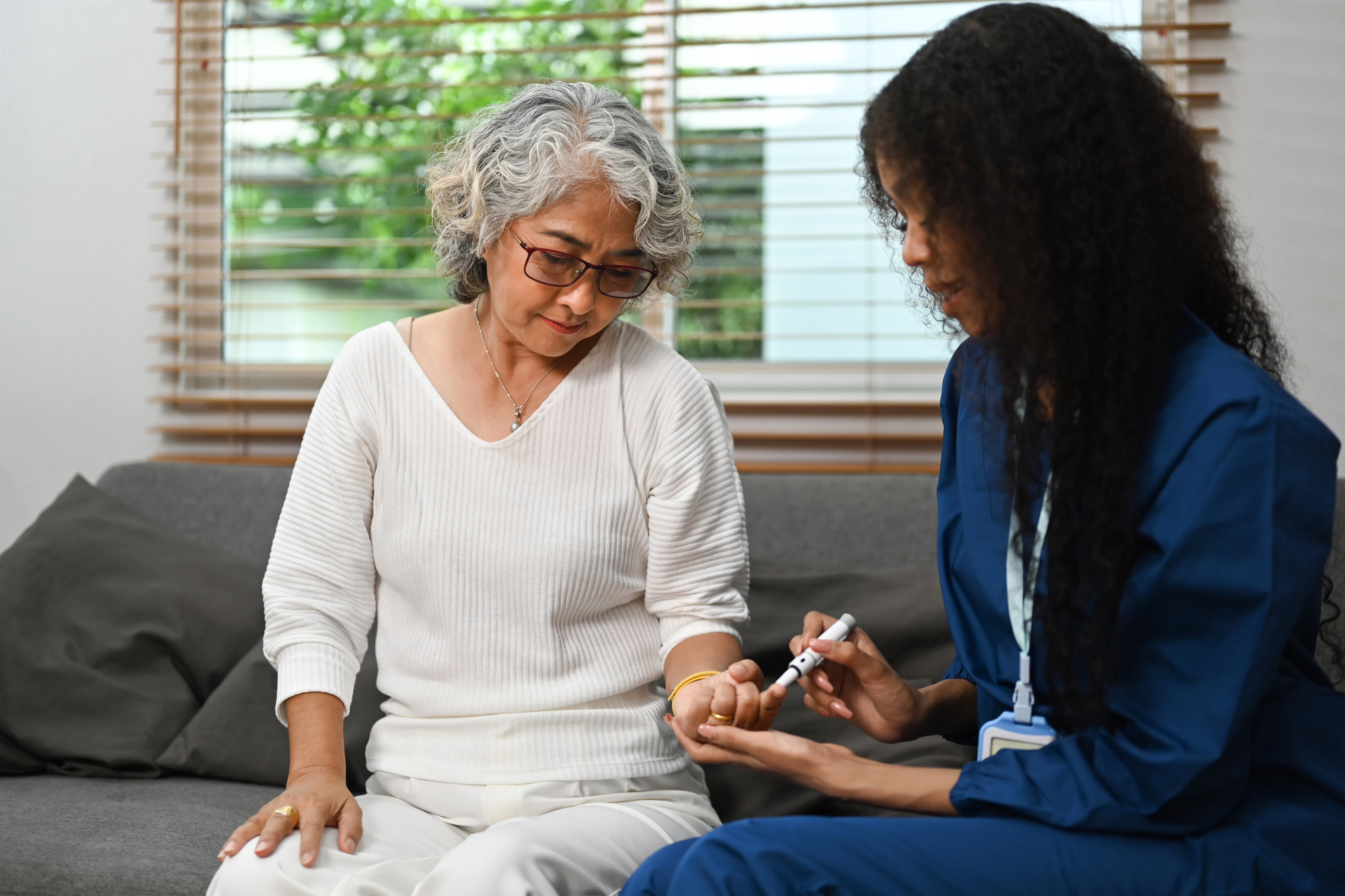
Living with diabetes has transformed dramatically over the past decade, thanks to remarkable advances in healthcare technology. Gone are the days when managing diabetes meant relying solely on finger pricks and guesswork. Today’s diabetic patients have access to sophisticated tools that provide real-time insights, predictive analytics, and personalized treatment recommendations that were once the stuff of science fiction.
Traditional blood glucose monitoring required multiple daily finger pricks, often leaving patients with sore fingertips and incomplete pictures of their blood sugar patterns. Continuous glucose monitors (CGMs) have revolutionized this experience by providing real-time glucose readings throughout the day and night. These small, wearable devices offer insights into how food, exercise, stress, and sleep affect blood sugar levels, empowering patients to make informed decisions about their health.
Modern CGMs can alert users to impending high or low blood sugar episodes before they become dangerous, allowing for proactive management rather than reactive treatment. Many devices now sync seamlessly with smartphones, creating comprehensive data logs that patients can share with their healthcare providers for more informed treatment decisions.
For patients requiring insulin therapy, technology has introduced unprecedented precision and convenience. Smart insulin pens now track dosing times and amounts automatically, eliminating the guesswork and potential errors of manual logging. These devices can remind patients when their next dose is due and even suggest adjustments based on current glucose readings.
Insulin pump therapy has also evolved significantly, with modern systems offering automated insulin delivery based on continuous glucose readings. These “artificial pancreas” systems can adjust basal insulin rates throughout the day and provide correction doses when blood sugars rise, mimicking the natural function of a healthy pancreas more closely than ever before.
Smartphone applications have become powerful allies in diabetes management, offering everything from carbohydrate counting databases to medication reminders. Many apps can photograph meals and estimate carbohydrate content using artificial intelligence, making meal planning and insulin dosing more accurate and less burdensome.
Data integration across multiple devices creates comprehensive health pictures that were previously impossible to achieve. When glucose monitors, activity trackers, food logs, and medication records sync together, patients and healthcare providers can identify patterns and trends that lead to more personalized treatment strategies.
The expansion of telehealth services has made diabetes care more accessible than ever, particularly valuable for patients in rural areas or those with mobility challenges. Remote monitoring allows healthcare providers to review glucose data, medication adherence, and other health metrics between office visits, enabling more frequent adjustments to treatment plans without requiring in-person appointments.
Virtual consultations have proven especially effective for diabetes education and counseling, allowing certified diabetes educators to work with patients in their home environments where they can observe real-world challenges and provide practical solutions.
Machine learning algorithms are beginning to transform diabetes care by analyzing vast amounts of patient data to predict blood sugar trends and suggest preventive interventions. These systems can learn individual patterns and preferences, offering increasingly personalized recommendations over time.
Predictive models can alert patients to potential complications before they occur, such as identifying patterns that typically lead to hypoglycemic episodes during exercise or recognizing early signs of diabetic complications that warrant medical attention.
Fitness trackers and smartwatches provide valuable supplementary information for diabetes management by monitoring physical activity, heart rate, sleep patterns, and stress levels. Since all these factors significantly impact blood sugar control, having comprehensive data helps patients understand the full picture of their health.
Sleep tracking has proven particularly valuable, as poor sleep quality directly affects glucose metabolism and insulin sensitivity. Patients can now correlate their sleep patterns with blood sugar control and make lifestyle adjustments accordingly.
The wealth of data collected through various technological tools enables truly personalized diabetes care. Rather than following one-size-fits-all treatment protocols, healthcare providers can now tailor interventions based on individual response patterns, lifestyle factors, and specific health goals.
Genetic testing is also beginning to influence diabetes treatment decisions, helping providers choose medications that are most likely to be effective based on individual genetic profiles. This precision medicine approach reduces trial-and-error prescribing and helps patients achieve better outcomes more quickly.
While technological advances offer tremendous benefits, successful integration requires addressing practical challenges. Healthcare providers play crucial roles in helping patients select appropriate technologies based on their comfort levels, insurance coverage, and specific medical needs. Training and ongoing support ensure patients can maximize the benefits of their chosen tools.
Cost considerations remain important, though many insurance plans now cover advanced diabetes technologies, recognizing their long-term cost-effectiveness in preventing complications and improving quality of life.
Emerging technologies promise even more sophisticated diabetes management solutions. Researchers are developing non-invasive glucose monitoring methods, advanced insulin formulations that respond to glucose levels automatically, and comprehensive health monitoring systems that integrate multiple biomarkers for holistic health management.
The integration of technology in diabetes care represents a fundamental shift toward patient empowerment and personalized medicine. By providing real-time data, predictive insights, and seamless communication between patients and healthcare providers, these tools are transforming diabetes from a condition that controls daily life into a manageable aspect of overall health and wellness.
Ready to explore how modern diabetes management technology can improve your health outcomes? Contact Family Medicine Austin at 512-872-6868 to discuss personalized diabetes care solutions. Our experienced providers in Austin and Leander are here to help you navigate the latest technological advances and create a treatment plan tailored to your unique needs and lifestyle.