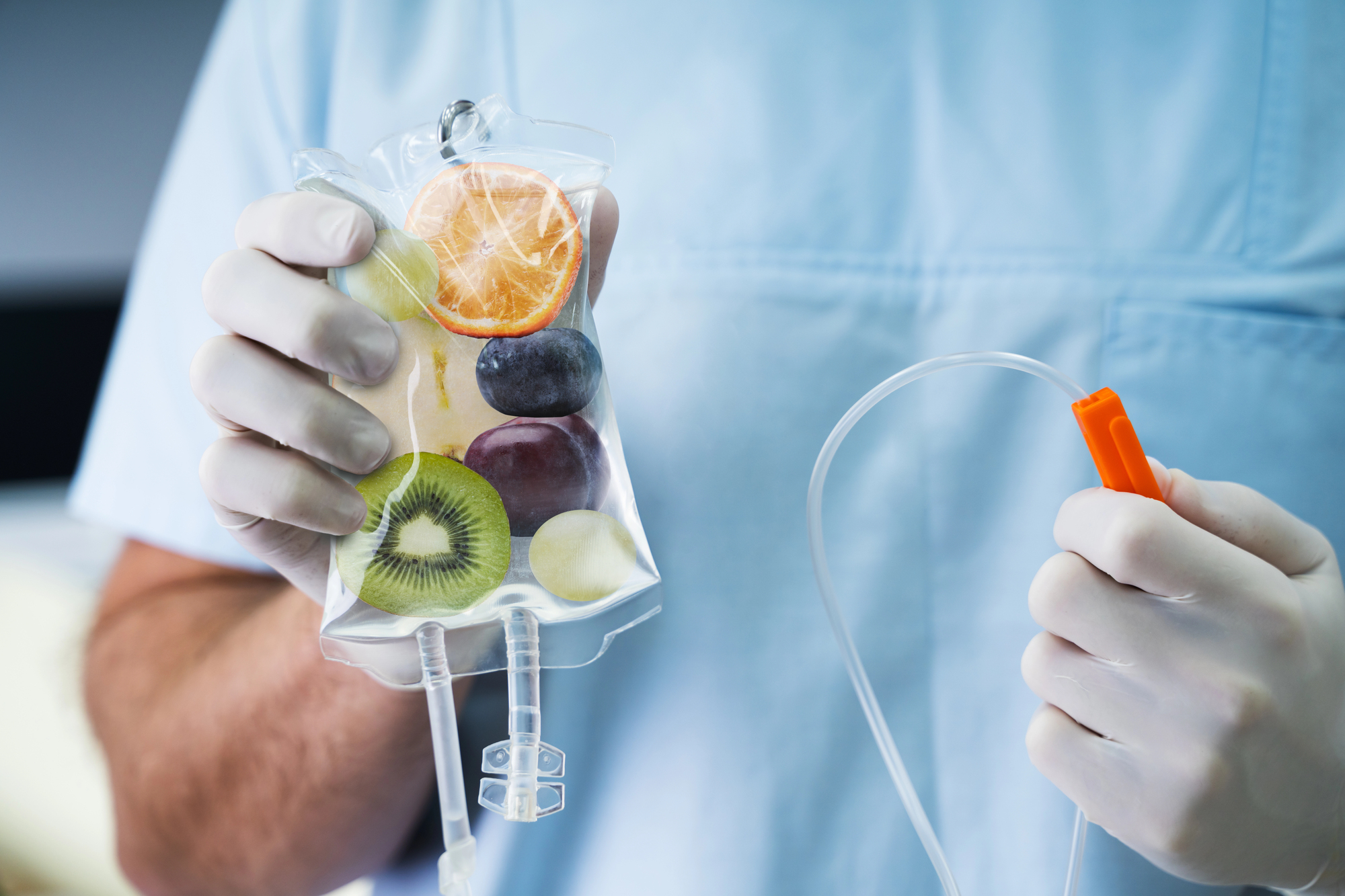
When you’re feeling run down, dehydrated, or recovering from an intense workout or illness, you’ve probably reached for a sports drink, multivitamin, or glass of water. These oral supplements have their place, but there’s been growing interest in IV hydration therapy as a more direct way to replenish your body’s fluids and nutrients. So when does it actually make sense to skip the water bottle and opt for an IV? Let’s explore the differences between these two approaches and who might genuinely benefit from intravenous therapy.
Before we dive into the specifics of IV therapy versus oral supplements, it’s helpful to understand how your body processes what you consume. When you drink water or take a vitamin, it travels through your digestive system where nutrients are absorbed through your intestinal walls. This process works well for most people under normal circumstances, but it’s not 100% efficient. Your body can only absorb a certain percentage of what you ingest, and factors like digestive health, medications, and individual metabolism all play a role in how much actually makes it into your bloodstream.
IV hydration therapy bypasses your digestive system entirely. Fluids, electrolytes, vitamins, and minerals are delivered directly into your bloodstream through an intravenous line, which means 100% of what’s administered is immediately available for your body to use. This fundamental difference is what makes IV therapy particularly useful in certain situations.
There are legitimate medical scenarios where IV hydration isn’t just helpful but actually necessary. If you’re experiencing severe dehydration from vomiting, diarrhea, or illness, your digestive system may not be able to keep fluids down or absorb them effectively. In these cases, oral rehydration might not be enough, and an IV can quickly restore your fluid balance and prevent complications.
Similarly, if you’re dealing with heat exhaustion in Austin’s scorching summer temperatures, IV therapy can be a faster way to rehydrate and replenish electrolytes. Those long days by Barton Springs or hiking the Greenbelt can take a serious toll on your hydration status, especially if you’re not used to the heat.
People with certain digestive disorders like Crohn’s disease, celiac disease, or chronic pancreatitis may struggle to absorb nutrients through their digestive tract. For them, IV therapy can be a valuable tool to ensure they’re getting essential vitamins and minerals that their body can’t absorb through food or oral supplements alone.
Severe vitamin deficiencies, particularly B12 deficiency, sometimes respond better to IV or intramuscular administration than oral supplementation. If you’ve been taking oral B12 for months without improvement in your symptoms or lab values, your healthcare provider might recommend IV therapy as an alternative approach.
You’ve probably seen ads for IV therapy lounges promising everything from glowing skin to instant hangover cures and immunity boosts. While IV hydration definitely has its place, it’s important to approach these wellness claims with healthy skepticism. Most people who are generally healthy and eat a balanced diet don’t need IV vitamins or hydration therapy as a regular wellness practice.
That morning-after hangover IV might make you feel better temporarily because you’re getting rehydrated, but drinking water and resting would accomplish much of the same thing at a fraction of the cost. The vitamins added to many wellness IVs can be beneficial if you’re truly deficient, but if your nutrient levels are already adequate, your body will simply eliminate the excess through your urine.
Beyond the medical conditions mentioned earlier, there are some situations where IV therapy can be genuinely helpful. Athletes who’ve engaged in extreme endurance activities might benefit from rapid rehydration and electrolyte replacement, particularly if they’re competing in multiple events with limited recovery time.
People undergoing certain cancer treatments often experience severe nausea and dehydration that makes oral intake difficult. IV hydration can help them maintain fluid balance and receive anti-nausea medications directly.
If you’re recovering from surgery, especially procedures involving the digestive system, IV fluids might be necessary until you’re able to eat and drink normally again.
Pregnant women experiencing severe morning sickness (hyperemesis gravidarum) that prevents them from keeping food or fluids down may need IV hydration to protect both their health and their baby’s development.
For most everyday situations, drinking water and taking oral supplements remains the best, safest, and most cost-effective approach to staying hydrated and nourished. Your body is designed to process nutrients through your digestive system, and this natural route allows for gradual absorption and regulation.
Oral hydration doesn’t require needles, medical supervision, or risk of infection at an IV site. You can do it anywhere, anytime, without scheduling an appointment or spending significant money. Plus, the act of drinking signals your body’s natural thirst mechanisms, helping you develop better hydration habits over time.
When it comes to vitamins and minerals, getting them through food is ideal because whole foods contain fiber, antioxidants, and other beneficial compounds that work synergistically with nutrients. A well-balanced diet supplemented with oral vitamins when needed is usually sufficient for maintaining good health.
The decision between IV hydration therapy and oral supplements shouldn’t be based on wellness trends or marketing promises. It should be based on your individual health status, medical conditions, and specific needs. If you’re generally healthy, feeling a bit dehydrated, or want to boost your vitamin intake, oral options are almost always the right choice.
However, if you’re experiencing severe symptoms, have absorption issues, or have been advised by a healthcare provider that you need more aggressive treatment, IV therapy might be warranted. The key is getting professional medical guidance rather than self-diagnosing or following what’s trendy.
If you’re experiencing persistent dehydration, fatigue, or other symptoms that aren’t improving with adequate oral intake, it’s worth discussing your concerns with a healthcare provider who can evaluate your specific situation. Sometimes what seems like a simple hydration issue might actually be a sign of an underlying condition that needs proper diagnosis and treatment.
Whether you’re dealing with severe dehydration, considering IV therapy for a medical condition, or just want to understand your best options for staying healthy and hydrated in the Austin heat, our team can provide personalized guidance based on your unique health needs. Give us a call at 512-872-6868 to schedule an appointment at either our Austin or Cedar Park location, and let’s have a conversation about what’s right for you.