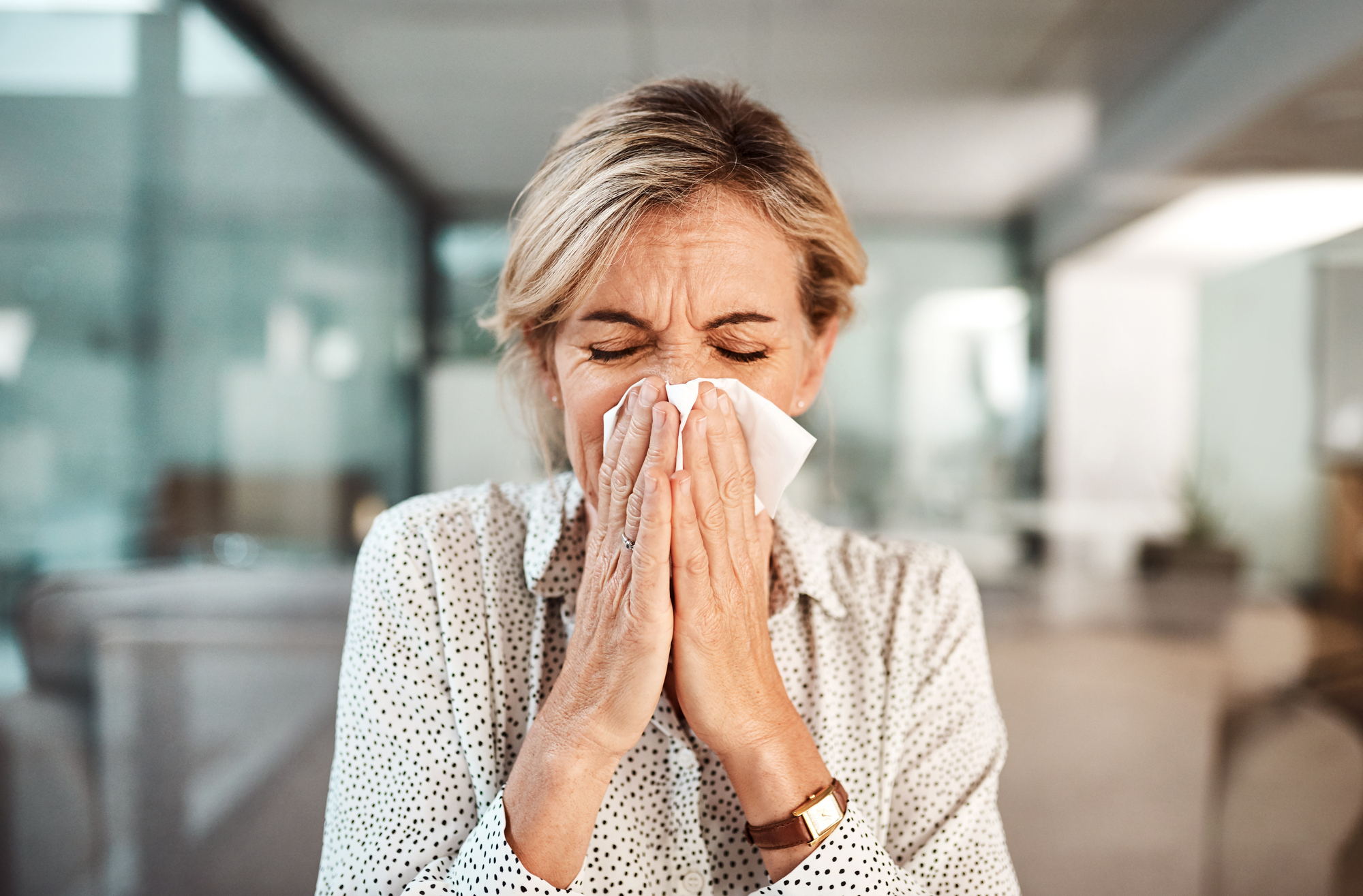
When the seasons change and you start experiencing that familiar congestion, runny nose, and general feeling of being under the weather, it can be challenging to determine whether you’re dealing with seasonal allergies or coming down with a cold. While these two conditions share many similar symptoms, understanding the key differences can help you choose the right treatment approach and feel better faster.
The fundamental difference between seasonal allergies and colds lies in what triggers them. Seasonal allergies, also known as hay fever or allergic rhinitis, occur when your immune system overreacts to airborne substances like pollen, mold spores, or dust mites. Your body mistakenly identifies these harmless particles as threats and releases histamine to combat them, leading to the uncomfortable symptoms you experience.
Colds, on the other hand, are caused by viral infections, most commonly rhinoviruses. These viruses actually invade your respiratory system, causing inflammation and the production of mucus as your body works to fight off the infection.
One of the most reliable ways to distinguish between allergies and colds is to pay attention to timing and duration. Seasonal allergies typically follow predictable patterns throughout the year. Tree pollen tends to peak in spring, grass pollen dominates summer months, and ragweed pollen is most problematic in fall. If your symptoms consistently appear during the same time each year and last for weeks or even months, you’re likely dealing with allergies.
Colds, however, are more random in their timing and typically last between seven to ten days. They can occur any time of year, though they’re more common during fall and winter months when people spend more time indoors in close proximity to others.
Both conditions can cause nasal congestion, runny nose, sneezing, and fatigue, which is why confusion is so common. However, there are some telltale signs that can help you differentiate between the two.
Seasonal allergies often produce clear, thin nasal discharge and are frequently accompanied by itchy, watery eyes. You might also experience an itchy throat or roof of your mouth. The sneezing with allergies tends to come in clusters and can be quite intense.
Cold symptoms typically include thicker nasal discharge that may change color from clear to yellow or green as the infection progresses. You’re more likely to experience a sore throat, cough, and body aches with a cold. Fever is also possible with colds, particularly in children, but is not associated with seasonal allergies.
Your environment can provide valuable clues about what you’re experiencing. Allergy symptoms often worsen when you’re outdoors, especially on windy days when pollen counts are high. You might notice feeling better when you’re indoors with windows closed and air conditioning running. Rainy days often provide relief for allergy sufferers because rain washes pollen out of the air.
With colds, your environment typically doesn’t have as significant an impact on symptom severity. You might feel slightly better with increased humidity, but changing locations usually doesn’t provide the dramatic relief that allergy sufferers experience when avoiding their triggers.
Managing seasonal allergies often involves a combination of avoidance strategies and medications. Limiting outdoor activities during high pollen days, keeping windows closed, using air purifiers, and showering after spending time outside can all help reduce exposure. Over-the-counter antihistamines, nasal corticosteroid sprays, and decongestants can provide symptom relief.
Cold treatment focuses on supporting your body while it fights off the viral infection. Rest, increased fluid intake, and over-the-counter pain relievers can help manage symptoms. Warm salt water gargles, humidifiers, and throat lozenges may also provide comfort.
Sometimes, you might actually be dealing with both conditions simultaneously. It’s entirely possible to catch a cold while also experiencing seasonal allergies, which can make symptoms more severe and longer-lasting than usual. Additionally, having allergies can make you more susceptible to respiratory infections because the constant inflammation in your nasal passages can compromise your natural defenses.
For seasonal allergies, prevention often involves monitoring pollen forecasts and planning activities accordingly. Many weather apps and websites provide daily pollen counts and predictions. On high pollen days, consider exercising indoors, keep car windows closed while driving, and avoid hanging laundry outside to dry.
Cold prevention focuses on good hygiene practices like frequent hand washing, avoiding touching your face, and maintaining distance from people who are obviously ill. A healthy lifestyle with adequate sleep, regular exercise, and proper nutrition also supports your immune system’s ability to fight off infections.
While many people successfully manage mild allergies and occasional colds on their own, persistent or severe symptoms warrant professional evaluation. Some conditions can mimic both allergies and colds, and proper diagnosis ensures you receive the most effective treatment.
If you’re struggling to determine whether your symptoms are caused by seasonal allergies or frequent colds, or if your symptoms are significantly impacting your quality of life, it’s time to consult with a healthcare professional. At Family Medicine Austin, our experienced providers can help you identify the root cause of your symptoms and develop an effective treatment plan. With convenient locations in both Austin and Leander, we’re here to help you breathe easier and feel your best year-round. Call us at 512-872-6868 to schedule an appointment and get the personalized care you deserve.