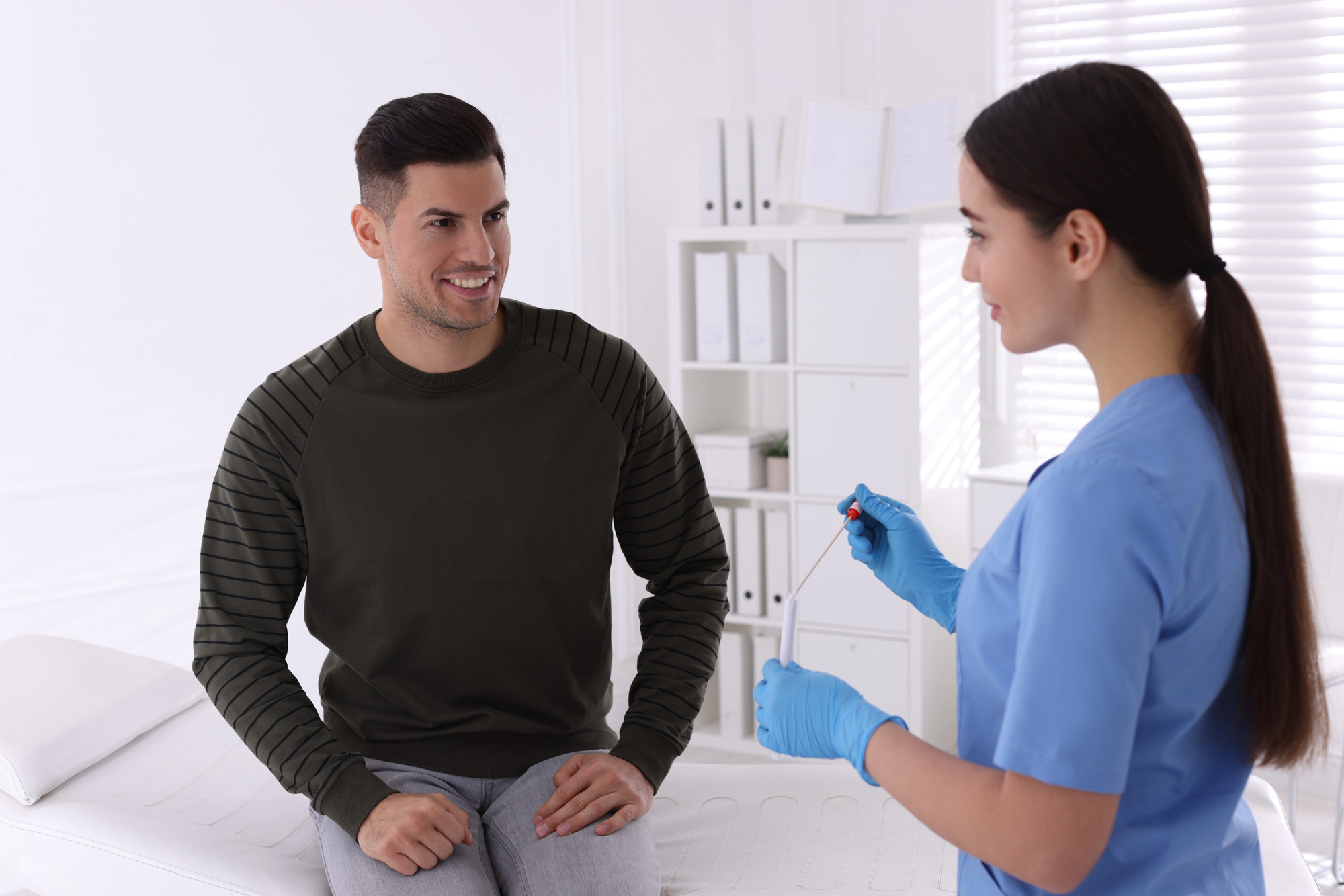
Getting tested for sexually transmitted diseases is one of the most important steps you can take for your sexual health. However, many people don’t realize that timing plays a crucial role in getting accurate results. Understanding when tests can miss infections – and why – can help you make better decisions about when to test and what types of tests to request.
Every STD test has what’s called a “window period” – the time between when you’re infected and when a test can reliably detect that infection. During this window, you might have the infection and even be able to transmit it to others, but tests may still come back negative.
This happens because your body needs time to produce enough of the virus, bacteria, or antibodies for tests to detect them. Think of it like trying to spot a single drop of food coloring in a swimming pool – you need enough of the substance present before it becomes visible.
HIV has one of the most well-known window periods. Antibody tests, which look for your body’s immune response to the virus, typically can’t detect HIV for 3-12 weeks after infection. However, newer combination tests that look for both antibodies and antigens can often detect HIV within 2-6 weeks. The most sensitive RNA tests can sometimes detect HIV as early as 10-14 days, though these aren’t always standard.
Chlamydia and gonorrhea are usually detectable within 1-2 weeks of infection using nucleic acid amplification tests (NAATs). However, some healthcare providers recommend waiting 2-3 weeks to ensure accuracy, especially if you’re testing after potential exposure.
Syphilis testing can be tricky because it typically requires 3-6 weeks after infection before antibody tests turn positive. In some cases, it can take up to 12 weeks for certain syphilis tests to show accurate results.
Herpes (HSV-1 and HSV-2) presents unique challenges. Blood tests for herpes antibodies usually require 12-16 weeks to be fully reliable. However, if you have symptoms like sores or blisters, a PCR test performed on the lesion can provide accurate results immediately.
Hepatitis B can typically be detected 1-9 weeks after infection, while Hepatitis C usually shows up in tests within 2-6 months, though newer tests may detect it sooner.
The type of test you receive significantly impacts the window period. There are generally three types of STD tests, each with different detection timelines.
Antibody tests look for your immune system’s response to an infection. These tend to have longer window periods because your body needs time to recognize the infection and produce antibodies. However, they’re often less expensive and widely available.
Antigen tests detect parts of the virus or bacteria itself, rather than your body’s response to it. These can often detect infections sooner than antibody tests but may not be available for all STDs.
Nucleic acid tests (like PCR tests) look for the genetic material of viruses or bacteria. These are typically the most sensitive and can detect infections earliest, but they’re often more expensive and may not be routine for all STDs.
Several factors beyond timing can influence whether a test accurately detects an infection. Your overall immune system health plays a role – people with compromised immune systems might have different antibody responses, potentially affecting test results.
The specific testing method and laboratory quality can also impact accuracy. Some tests are more sensitive than others, and laboratory errors, while rare, can occur.
For bacterial infections like chlamydia and gonorrhea, taking antibiotics before testing can lead to false negative results, even if the antibiotics weren’t specifically treating that infection.
Understanding window periods doesn’t mean you should delay getting tested. If you think you’ve been exposed to an STD, it’s important to see a healthcare provider promptly. They can help you understand the best testing timeline for your specific situation and may recommend preventive treatment in some cases.
Consider your testing goals. If you’re testing for peace of mind after a potential exposure, your provider might recommend testing immediately and then again after the window period has passed. If you’re getting routine screening, the timing may be less critical.
Don’t forget that some STDs can be transmitted even during the window period. If you’ve had a potential exposure, consider discussing prevention strategies with your healthcare provider, including post-exposure prophylaxis when appropriate.
Being honest with your healthcare provider about your sexual history, recent potential exposures, and symptoms is crucial for getting appropriate testing. This information helps them recommend the right tests at the right times.
Remember that healthcare providers are bound by confidentiality laws and aren’t there to judge your choices – they’re there to help keep you healthy.
Understanding when STD tests can miss infections empowers you to make informed decisions about your sexual health. While window periods mean that timing matters, regular testing remains one of the best tools we have for maintaining sexual health and preventing transmission to partners.
If you have questions about STD testing, timing, or which tests might be right for you, the experienced healthcare providers at Family Medicine Austin can help guide you through the process. They offer confidential STD testing and counseling at their Austin and Leander locations. Call 512-872-6868 to schedule a consultation and get personalized advice about the best testing strategy for your situation.