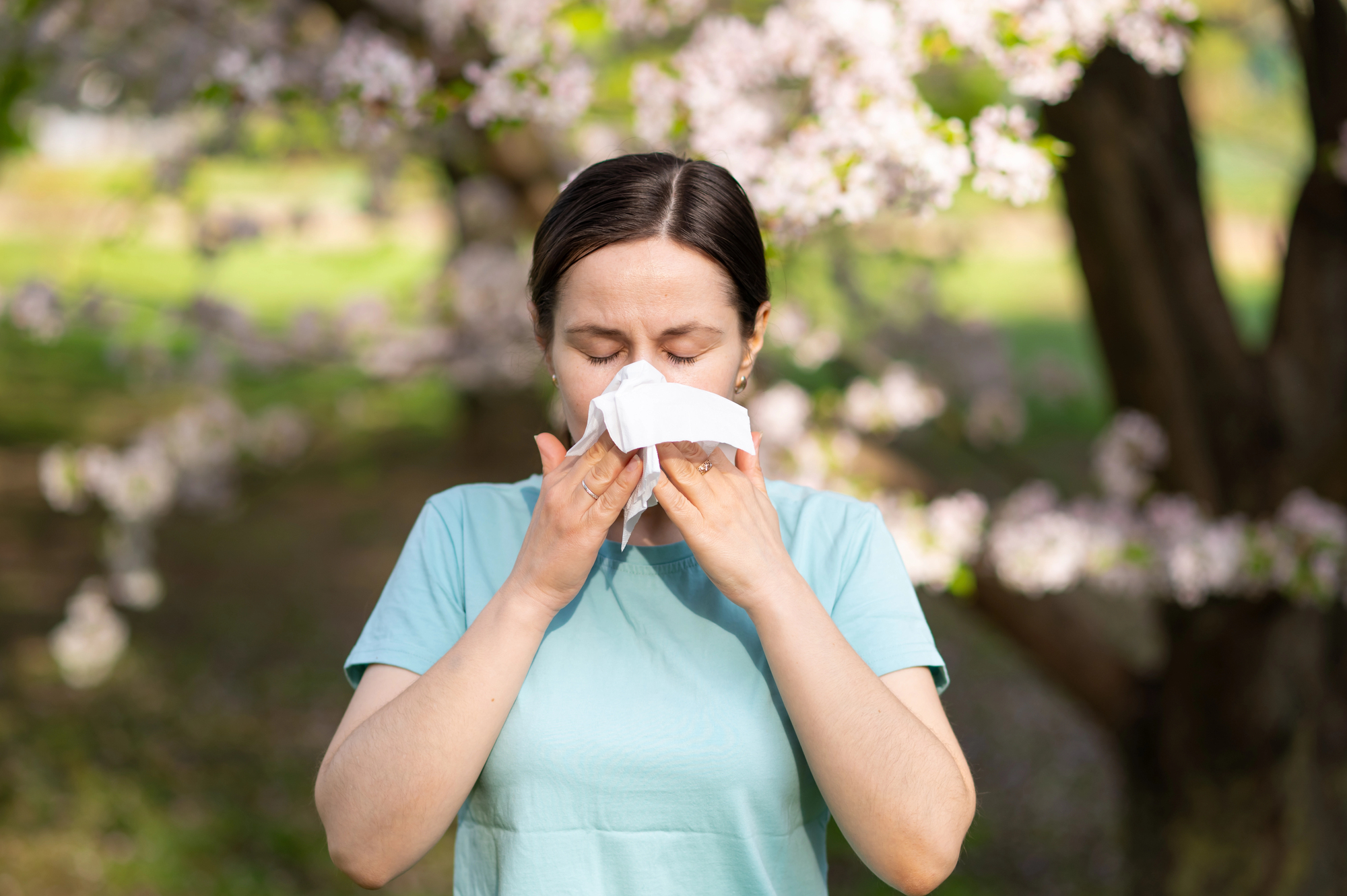
Summer in Austin usually means pool parties, food truck festivals, and endless sunny days—not hacking coughs and boxes of tissues. Yet walk into any coffee shop or office downtown, and you’ll hear the telltale sounds of sniffles and sneezes echoing around you. If you’re wondering why it feels like everyone’s getting sick when we should be enjoying perfect patio weather, you’re not alone. This unexpected summer viral surge has caught many Central Texans off guard, and there are some surprising reasons behind it.
We’ve all been conditioned to think of cold and flu season as a winter problem, something that strikes between November and February. But in 2024, that playbook has been thrown out the window. Several factors have converged to create what healthcare providers are calling an unseasonable viral surge, and understanding them can help you protect yourself and your family.
First, there’s the simple matter of timing and immunity. The patterns we saw during the pandemic years created gaps in our collective immune exposure. When we masked up and stayed home, we also avoided typical seasonal bugs. Now, as we’ve returned to normal life—crowded concerts at Moody Theater, packed brunches on South Congress, and family gatherings—our immune systems are encountering viruses they missed during those quieter years.
Temperature fluctuations also play a bigger role than most people realize. While Austin summers are notoriously hot, we’re constantly moving between outdoor heat and aggressively air-conditioned spaces. This back-and-forth puts stress on your respiratory system and can make you more susceptible to viral infections. Your nose and throat work best at maintaining their natural defenses when temperature and humidity stay relatively consistent, but that’s nearly impossible when you’re facing triple-digit heat outside and 68 degrees inside.
The viruses making the rounds this summer aren’t dramatically different from what we see in winter, but the timing is unusual. Respiratory syncytial virus (RSV), typically a winter concern especially for young children, has been detected at higher-than-expected levels throughout the summer months. Influenza, another classic winter villain, has shown up in sporadic clusters.
COVID-19, of course, hasn’t disappeared just because it’s summer. New variants continue to circulate, and while many people have some level of immunity from vaccines or previous infections, the virus still spreads readily in our interconnected community. The symptoms often mirror other respiratory illnesses—cough, fatigue, sore throat, congestion—making it difficult to self-diagnose what you’re dealing with.
Enteroviruses, which do traditionally peak in summer and fall, are also contributing to the illness wave. These cause a range of symptoms from mild cold-like complaints to more serious respiratory issues, particularly in children. The hand-foot-and-mouth disease variant, common among preschool and elementary-aged kids, tends to flourish during warmer months.
If you’re sick and feeling particularly miserable, the Austin heat isn’t helping. When you’re fighting off a virus, your body is already working overtime to regulate temperature and mount an immune response. Add blazing summer heat to the equation, and you’re at increased risk for dehydration, which can intensify symptoms like headaches, fatigue, and dizziness.
People also tend to underestimate how sick they are during summer months. We’re conditioned to push through and not miss out on fun plans. That backyard barbecue or trip to Barton Springs feels too good to skip, so we convince ourselves we’re fine when we really should be resting. This not only prolongs your own illness but also spreads viruses to others who thought they were just enjoying a casual Saturday afternoon.
Protecting yourself doesn’t mean hiding indoors all summer, but it does mean being thoughtful about your health habits. Hand hygiene remains one of the most effective defenses against viral spread. Washing your hands thoroughly and frequently—especially before eating and after being in public spaces—creates a simple but powerful barrier against infection.
Staying hydrated in Austin’s heat serves double duty. Proper hydration helps your immune system function optimally while also preventing heat-related complications. If you’re spending time outdoors, bring more water than you think you’ll need. Those craft cocktails at the food truck park don’t count toward your hydration goals.
Air quality matters more than most people realize. When you’re constantly running your AC, make sure you’re changing filters regularly. Poor indoor air quality can irritate your respiratory system and potentially make you more vulnerable to infection. If you’re gathering with others indoors, cracking a window to improve ventilation can reduce viral concentration in the air.
Here’s where things get tricky. With so many different viruses circulating and symptoms that overlap significantly, knowing when to see a doctor becomes genuinely confusing. Generally, if you’re experiencing high fever that doesn’t respond to over-the-counter medication, difficulty breathing, persistent chest pain, or symptoms that improve but then suddenly worsen, it’s time to get checked out.
For children, parents should watch for signs of dehydration, unusually low energy, difficulty breathing, or fever in infants under three months. Kids often bounce back quickly from viral infections, but they can also deteriorate faster than adults, so trust your parental instincts.
Testing can provide valuable clarity, especially for COVID-19 and influenza, where specific treatments might be beneficial if started early. Having a healthcare provider who knows your medical history and can assess your individual situation makes all the difference in getting the right care quickly.
This unseasonable viral surge is a reminder that our health doesn’t follow a predictable calendar anymore. Climate factors, population immunity patterns, and our interconnected lifestyles all contribute to when and how viruses spread. The good news is that most people recover fully from these summer illnesses with rest, hydration, and appropriate care when needed.
As Austin continues to grow and our community becomes more connected, staying informed about local health trends matters. What’s spreading through Leander elementary schools this week might show up in downtown offices next week. Being aware helps you make smart decisions about your activities and when to seek care.
If you’re dealing with symptoms that have you concerned, or if you simply want to understand what’s happening with your health, the team at our Austin and Leander locations is here to help. Whether you need testing, treatment, or just reassurance from someone who understands the current viral landscape, getting professional guidance beats guessing and searching the internet. Give us a call at 512-872-6868 to schedule an appointment. Your summer plans shouldn’t include being sick—let’s get you feeling better.