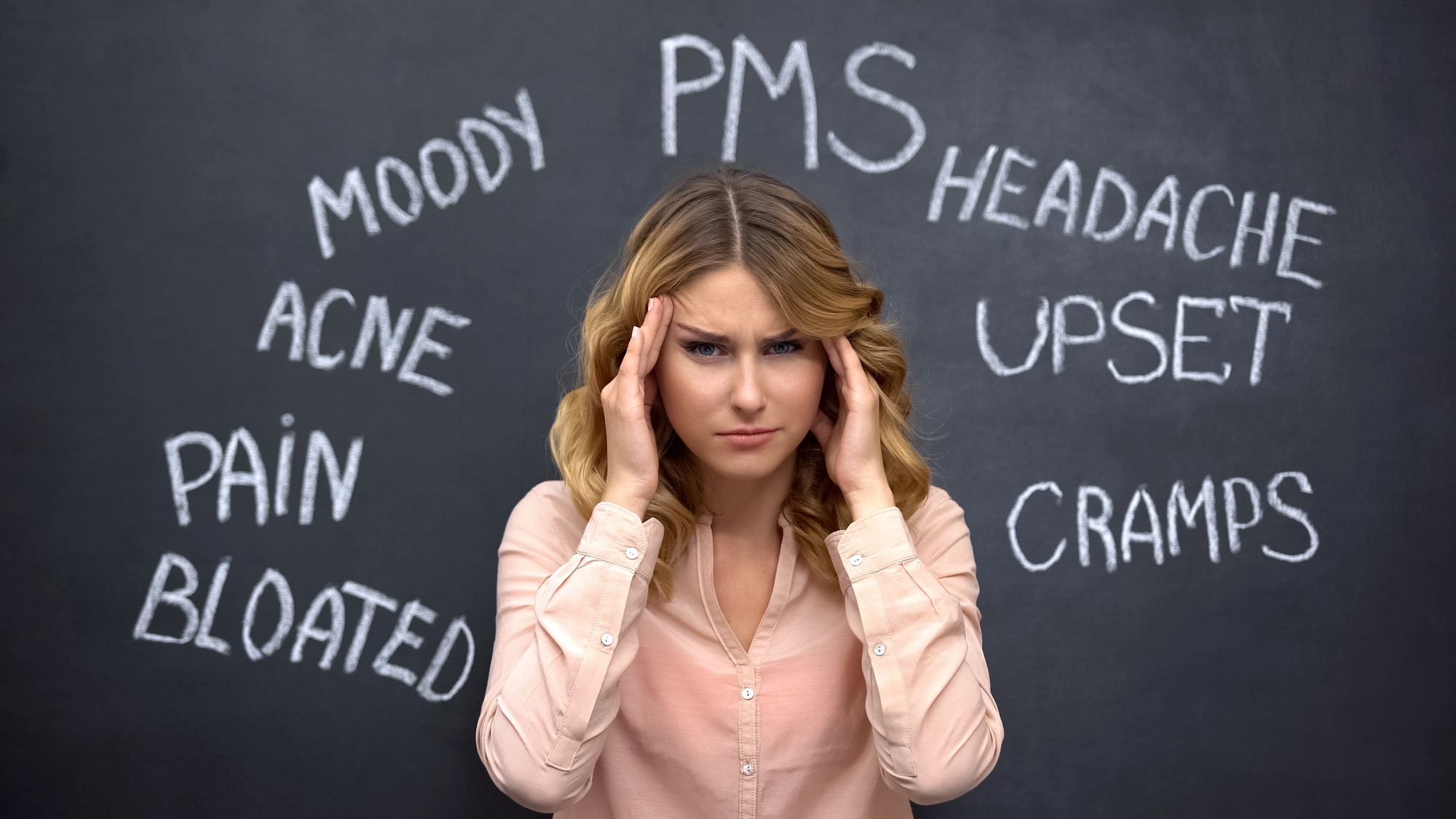
When most people think about hormone imbalances, hot flashes usually top the list. But here’s the truth: your hormones influence nearly every system in your body, and when they’re out of whack, the signals can be surprisingly subtle. You might be blaming stress, aging, or just being busy when your hormones are actually trying to tell you something important.
Hormonal imbalances affect both men and women across all age groups, and they’re more common than you might think. Let’s explore some of the lesser-known signs that your hormones might need attention—symptoms you’ve probably been dismissing or attributing to something else entirely.
You’re eating right, hitting the trails around Lady Bird Lake, and still not seeing results on the scale. Before you get frustrated with yourself, consider that your thyroid or cortisol levels might be the real culprit. When thyroid hormones run low, your metabolism slows down significantly, making weight loss feel nearly impossible no matter how disciplined you are.
Cortisol, your stress hormone, can also wreak havoc on your waistline. Chronically elevated cortisol encourages your body to store fat, particularly around your midsection. This isn’t about willpower—it’s about biochemistry. If you’ve been doing everything “right” and your body isn’t responding, hormones deserve investigation.
We all have off days, but persistent mental cloudiness is different. If you’re constantly forgetting where you put your keys, losing your train of thought mid-sentence, or struggling to focus during important meetings, hormones could be interfering with your cognitive function.
Thyroid hormones play a crucial role in brain function, and both low thyroid and fluctuating estrogen levels can significantly impact memory and concentration. Testosterone, which both men and women need in appropriate amounts, also influences mental clarity and cognitive sharpness. When these hormones aren’t in balance, your brain literally doesn’t function at its best.
Having trouble sleeping occasionally is normal, especially during stressful periods. But if you’re consistently waking up at 3 a.m. unable to fall back asleep, or if you feel exhausted despite spending eight hours in bed, your hormones might be disrupting your sleep architecture.
Progesterone has natural calming effects and helps promote deep sleep. When it’s low, sleep quality suffers. Cortisol should naturally decrease at night, but chronic stress can keep it elevated, making it difficult to relax into restful sleep. Thyroid imbalances can also create sleep disturbances that leave you feeling perpetually unrested.
If you find yourself snapping at your family over minor things or feeling inexplicably anxious or down, don’t just chalk it up to life in Austin’s busy pace. Hormones are powerful mood regulators, and even small fluctuations can create noticeable emotional changes.
Estrogen, progesterone, and testosterone all influence neurotransmitter production in your brain, including serotonin and dopamine—your mood-regulating chemicals. When these hormones shift, your emotional equilibrium can shift with them. This is particularly common during perimenopause for women and andropause for men, but hormonal mood disruptions can happen at any age.
Your gut and your hormones have an intimate relationship that many people don’t realize exists. If you’re experiencing bloating, constipation, or other digestive discomfort without clear dietary triggers, hormones might be the missing piece of the puzzle.
Estrogen and progesterone directly affect gut motility and the gut microbiome. Thyroid hormones regulate digestive speed and efficiency. Even cortisol impacts your digestive system’s ability to function properly. When these hormones fluctuate, your digestive system often responds with uncomfortable symptoms that seem to appear out of nowhere.
Adult acne isn’t just a teenage problem, and if you’re suddenly dealing with breakouts, excessive dryness, or unexplained skin changes, hormones are often behind it. Androgens stimulate oil production in your skin, and when they’re elevated relative to other hormones, acne frequently results.
Thyroid hormones affect skin moisture and texture, so dry, flaky skin can signal thyroid issues. Estrogen helps maintain skin thickness and elasticity, which is why declining estrogen can create visible skin changes. These aren’t just cosmetic concerns—they’re your body’s way of signaling that something needs attention internally.
Whether you’re noticing hair thinning on your scalp or unexpected hair growth in unwanted places, these changes often point to hormonal shifts. Thyroid imbalances commonly cause hair thinning or hair that breaks easily. Elevated androgens can cause female-pattern hair loss or excess facial hair in women.
For men, while some hair loss is expected with age, dramatic or sudden changes can indicate hormone fluctuations that deserve medical evaluation. Hair changes are particularly visible signals that something is shifting in your hormonal landscape.
The good news is that hormone imbalances are highly treatable once properly identified. The first step is getting comprehensive hormone testing through bloodwork, which can reveal exactly what’s happening in your body. Sometimes lifestyle modifications—better sleep, stress management, dietary changes, and regular exercise—can restore balance naturally. Other times, hormone replacement therapy or medication may be appropriate.
It’s important to work with a healthcare provider who takes the time to understand your complete picture. Hormone balance isn’t one-size-fits-all, and what works for your neighbor or friend might not be the right approach for you. Personalized care that considers your symptoms, medical history, and lab results is essential for effective treatment.
Living in the Austin area comes with unique considerations too—from managing stress in a fast-growing city to dealing with environmental factors that might affect your endocrine system. Having a local provider who understands both your health needs and your lifestyle makes all the difference in creating a treatment plan you can actually stick with.
If these subtle signs sound familiar, you don’t have to just live with them. Hormone imbalances are common, treatable, and worth investigating. Whether you’re in Austin or Leander, getting answers starts with a conversation. Call us at 512-872-6868 to schedule an appointment and take the first step toward feeling like yourself again. Your body has been sending signals—we’re here to help you listen and respond.