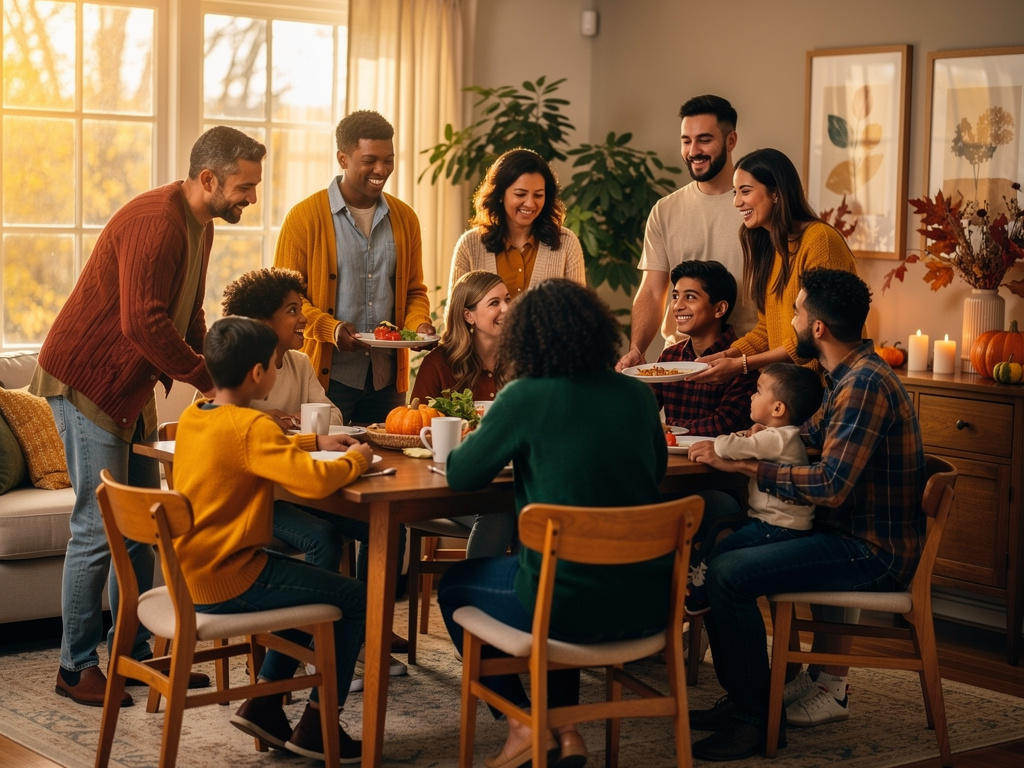
Whether it’s Thanksgiving dinner in Cedar Park, a backyard cookout in Zilker, or a birthday party that spills out onto the patio, family gatherings are some of the best parts of life in Central Texas. They are also when one sniffle can travel from cousin to cousin, a forgotten potato salad can cause trouble, and a long day in the sun can wear everyone down.
Annual checkups are a great foundation, but the small things you do between appointments matter too. Here are some easy, realistic habits that can help everyone enjoy the day a little more.
Gatherings put people of all ages in close quarters. Grandparents, babies, and adults with busy work schedules share the same couches, serving spoons, and air. Add travel, late nights, and rich food, and it’s easy to see why a get-together can be followed by a week of tissues.
The good news is that you don’t need to turn your celebration into a hospital ward. A few simple habits go a long way.
It sounds basic, but handwashing remains one of the most effective ways to reduce the spread of germs. The CDC recommends washing with soap and water for about 20 seconds, especially before eating or preparing food, after using the restroom, and after coughing or sneezing.
Stock your bathroom and kitchen with soap and clean towels, and consider putting a bottle of hand sanitizer (at least 60% alcohol) near the front door or the food table. When you’re the host, making it easy is half the battle.
If someone in your household has a fever, a stomach bug, or a cough that is getting worse, it’s okay to skip the event or celebrate over a video call. Staying home when you’re sick is an act of kindness, particularly when infants, older relatives, or people with chronic conditions will be there.
Vaccines are one of the most effective preventive tools we have, and they matter most when families gather. A few worth discussing with your provider:
Your needs depend on your age, health history, and plans, so a quick conversation with your doctor is the best way to know what’s right for you.
Foodborne illness is one of the most common ways a good party goes wrong, and Texas heat makes it more likely. A few habits make a real difference:
Pregnant guests, young children, older adults, and people with weakened immune systems are more vulnerable to food-related illness. If you’re hosting, it’s worth giving a little extra thought to what’s on the table for them.
Our climate can affect how we feel at a gathering as much as the guest list does. In summer, long afternoons at the lake, the pool, or the park can lead to dehydration and heat exhaustion. Offer plenty of water, set up shade, and schedule outdoor activities for cooler parts of the day. Young kids and older adults often need extra reminders to drink and rest.
In winter, the story changes. Cedar fever, caused by mountain cedar pollen, usually peaks from December through February and can mean itchy eyes, congestion, and fatigue right when holiday gatherings are in full swing. Because allergy symptoms can look a lot like a cold, it helps to know what’s normal for you. If symptoms hang around or affect your breathing, check in with your provider rather than guessing.
It’s tempting to burn the candle at both ends when family is in town, but poor sleep can make you more vulnerable to getting sick and can make everyone a little shorter on patience. Try to keep a reasonably regular sleep schedule, even during busy weeks.
Movement helps too. A walk around the neighborhood or along Lady Bird Lake after a big meal is a nice way to get everyone outside, aid digestion, and give the family a chance to chat. It also gives you a breather if emotions are running high.
And speaking of emotions, gatherings can be stressful as well as joyful. Grief for a family member who is no longer at the table, tension among relatives, or the pressure of hosting can all weigh on you. Taking short breaks, setting reasonable expectations, and reaching out for support when you need it are healthy habits, not signs of weakness.
Family members often arrive with different health situations, from high blood pressure and diabetes to food allergies and new medications. A few considerations can help everyone feel included:
None of this means giving up grandma’s pecan pie. It simply means that everyone gets to enjoy the day in a way that works for them.
This article offers general information and isn’t a substitute for personalized medical advice. Every family and every person’s health history is different, so your own provider is the best resource for questions about vaccines, chronic conditions, allergies, or whether symptoms need attention.
Healthy gatherings begin well before the guests arrive. If you want to make sure your vaccines are up to date, get help managing seasonal allergies before cedar season, or talk through a health concern before the next big family event, our team at Family Medicine Austin is here for you and your loved ones.
Call us at 512-872-6868 to schedule a visit at our Austin or Cedar Park location, and let’s help your family stay healthy so you can focus on what matters most: enjoying time together.