Getting tested for sexually transmitted infections (STIs) is one of the most important steps you can take for your sexual health, but figuring out where and how to get tested can feel overwhelming. With options ranging from at-home test kits to full clinic visits, each approach comes with its own set of advantages and considerations. Understanding your choices can help you make the best decision for your specific situation, budget, and privacy needs.
At-home STD test kits have surged in popularity, and it’s easy to see why. These tests offer maximum privacy and convenience – you can collect your sample in the comfort of your own space and mail it to a certified laboratory for analysis. Most reputable companies provide detailed instructions and customer support to guide you through the process.
The accuracy of at-home tests has improved significantly over the years. Many use the same laboratory testing methods as clinical facilities, particularly for common infections like chlamydia, gonorrhea, and HIV. However, the accuracy largely depends on proper sample collection. If you don’t follow the instructions precisely, you might get unreliable results.
Cost-wise, at-home tests typically range from $50 to $200 depending on how many infections you’re testing for. While this might seem affordable upfront, remember that these tests usually aren’t covered by insurance, so you’ll be paying out of pocket.
The main drawback? Limited scope and follow-up care. If you test positive, you’ll still need to visit a healthcare provider for treatment and counseling. Additionally, some infections are harder to detect accurately through at-home collection, particularly those requiring visual examination or specialized sampling techniques.
Many major pharmacy chains now offer STD testing services, creating a middle ground between at-home kits and traditional medical visits. These services often involve a quick consultation with a healthcare professional, either in-person or via telehealth, followed by sample collection at the pharmacy location.
Pharmacy testing tends to be more accurate than purely at-home options because trained staff can ensure proper sample collection. The turnaround time is usually faster than at-home tests, and some locations offer same-day or next-day results for certain infections.
From a cost perspective, pharmacy testing falls somewhere between at-home kits and full clinic visits. Prices typically range from $100 to $300 for comprehensive panels. Some pharmacy programs accept insurance, but coverage varies significantly by plan and location.
The privacy factor is moderate – while you’re not visiting a traditional medical office, you are still conducting your health business in a retail environment. Most pharmacies have private consultation areas, but the level of confidentiality may not match what you’d experience in a dedicated medical setting.
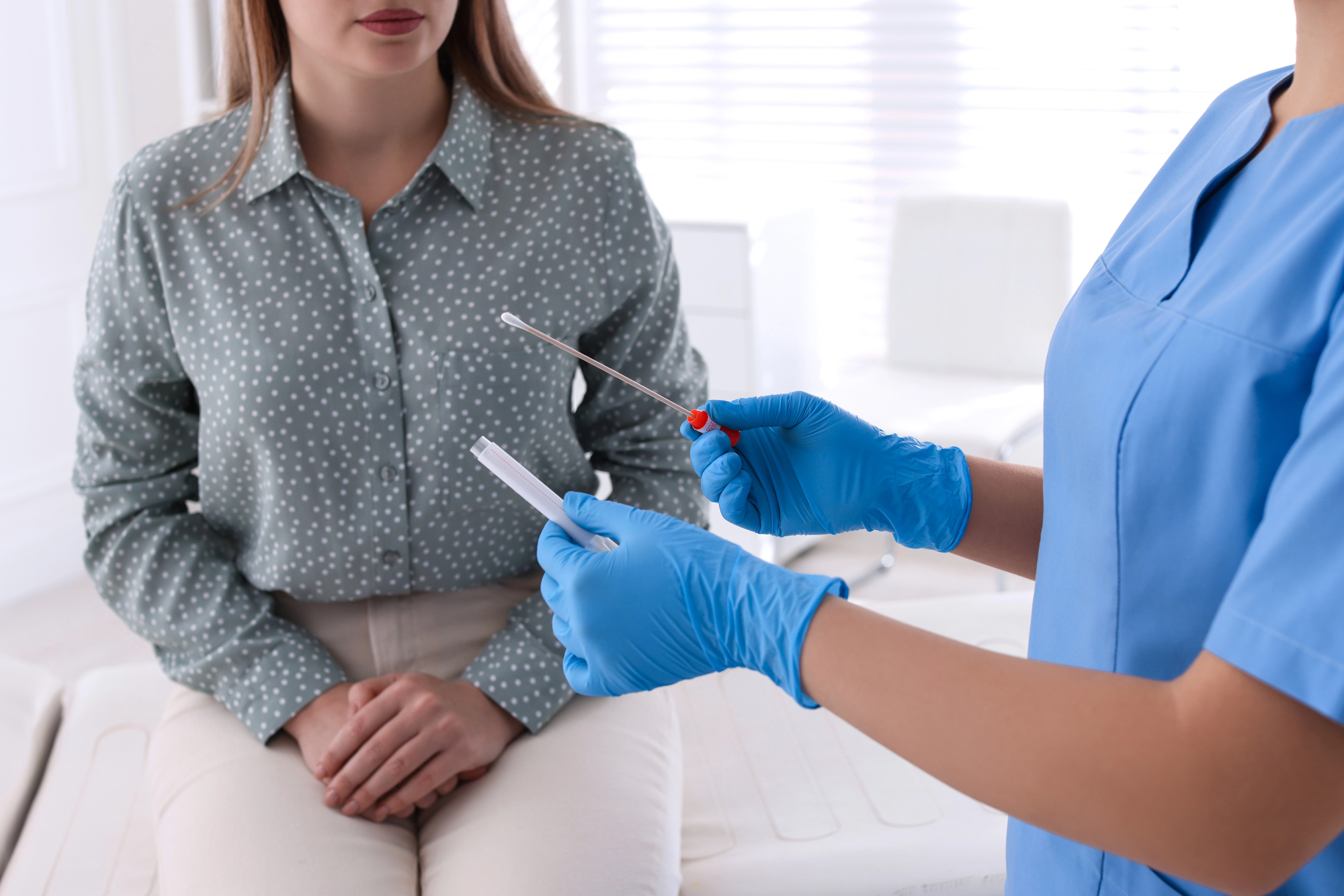
Testing at a healthcare clinic, whether it’s a family medicine practice, urgent care center, or specialized sexual health clinic, remains the gold standard for STD screening. Medical professionals can perform comprehensive examinations, ensure proper sample collection, and provide immediate counseling and education.
Clinical testing offers the highest accuracy rates because healthcare providers can perform visual examinations, choose the most appropriate test types for your situation, and collect samples using optimal techniques. They can also test for a broader range of infections, including those that might require specialized procedures.
The cost of clinical testing varies widely depending on your insurance coverage and the type of facility. With insurance, your out-of-pocket costs might be minimal, especially if STD testing is covered as preventive care. Without insurance, costs can range from $200 to $500 or more for comprehensive testing, but many clinics offer sliding scale fees based on income.
Perhaps most importantly, clinical testing provides comprehensive care beyond just the test itself. If you test positive, your healthcare provider can immediately discuss treatment options, provide prescriptions, offer partner notification guidance, and schedule follow-up care. They can also provide personalized advice about prevention and future testing schedules.
Your best testing option depends on several personal factors. If privacy is your primary concern and you’re testing for common infections as part of routine screening, a reputable at-home test might work well. However, if you have symptoms, potential exposure to multiple infections, or complex health conditions, clinical testing is typically your safest bet.
Consider your timeline as well. If you need results quickly for peace of mind or because you’re experiencing symptoms, clinical testing usually provides the fastest path to both results and treatment. At-home tests, while convenient, can involve several days of shipping time in each direction.
Budget considerations matter too, but remember to factor in the total cost of care, not just the initial test. A seemingly affordable at-home test might end up costing more if you need to visit a clinic anyway for treatment or confirmation testing.
Regular STD testing is a normal part of maintaining your health, and there’s no shame in seeking the care you need. Whether you’re due for routine screening or have specific concerns, choosing the right testing approach can make the difference between getting accurate results and proper follow-up care.
If you’re looking for comprehensive, confidential STD testing with personalized care and immediate access to treatment options, the experienced team at Family Medicine Austin is here to help. Contact us at 512-872-6868 to schedule an appointment at either our Austin or Leander location, where we can discuss your testing needs and provide the thorough care you deserve.