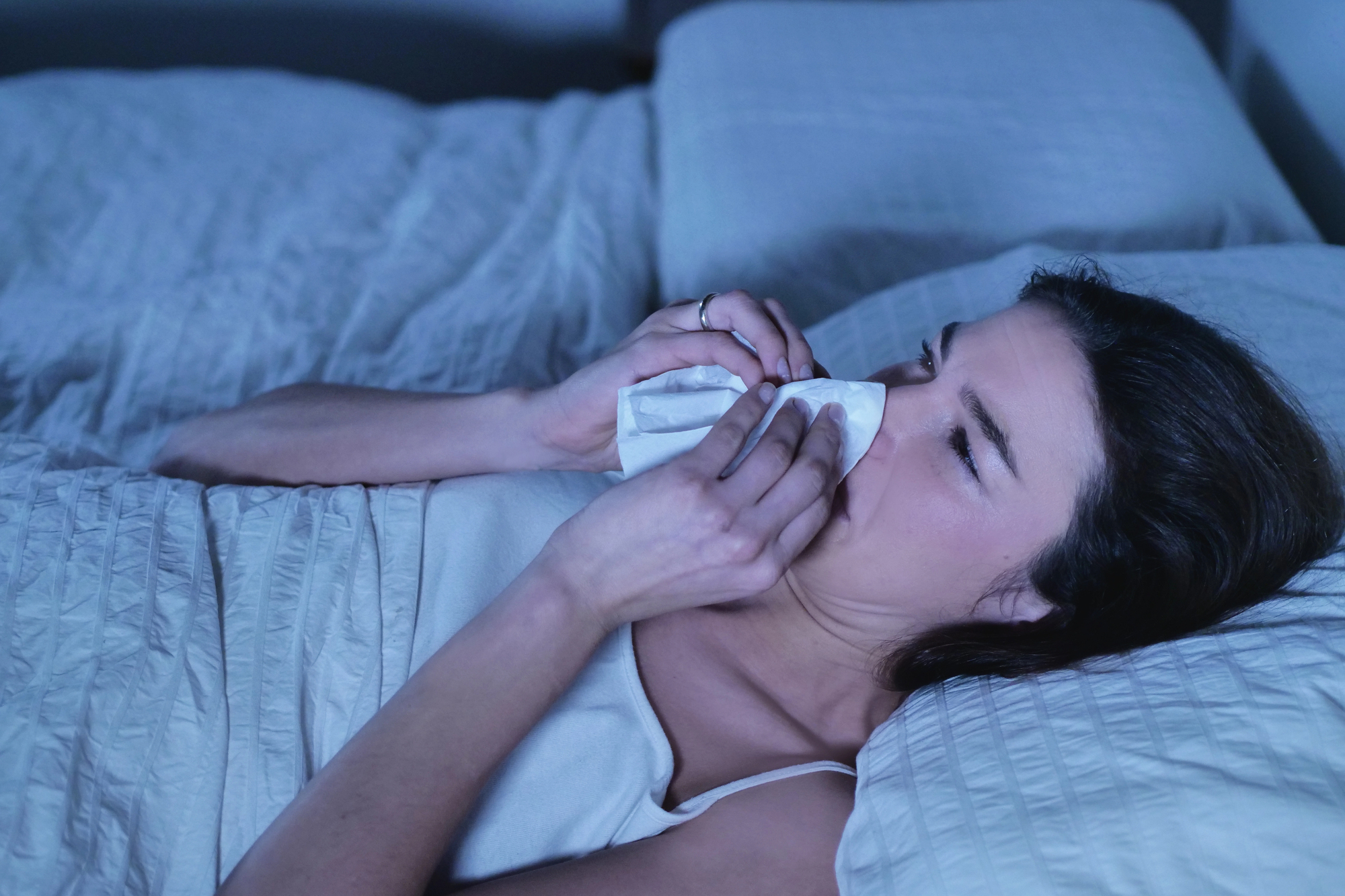
If you’re lying in bed wondering why your nose decides to stage a rebellion just as you’re trying to drift off to sleep, you’re not alone. Many people find that their allergy symptoms intensify during nighttime hours, turning what should be peaceful rest into a frustrating battle against sneezing, congestion, and watery eyes.
The good news is that there are clear reasons why this happens, and even better, there are practical solutions to help you reclaim your sleep. Let’s dive into what’s really going on when darkness falls and your allergies seem to wake up.
Your body operates on a natural 24-hour cycle called your circadian rhythm, which influences everything from your sleep patterns to hormone production. This same rhythm affects how your immune system responds to allergens throughout the day. During nighttime hours, your body naturally produces more inflammatory substances called histamines, which are responsible for many allergy symptoms like sneezing, runny nose, and itchy eyes.
Additionally, cortisol levels drop significantly at night. Cortisol is your body’s natural anti-inflammatory hormone, so when levels decrease, your inflammatory response to allergens becomes more pronounced. This biological double-whammy explains why that pollen exposure from your afternoon walk might not bother you much during the day but leaves you miserable at bedtime.
Your sleeping environment might be harboring allergens that accumulate throughout the day and become concentrated in enclosed spaces. Dust mites are among the most common bedroom allergens, thriving in mattresses, pillows, and bedding where they feed on dead skin cells. These microscopic creatures become more active in the humid conditions often present at night.
Pet dander is another frequent offender. Even if your furry friend doesn’t sleep in your bedroom, dander can travel throughout your home on clothing, air currents, and even on your pet’s paws. It tends to settle on surfaces and become airborne again with movement, often right around bedtime when you’re getting settled.
If you keep windows open for fresh air, outdoor allergens like pollen can drift indoors and concentrate in your bedroom. Many trees and grasses also release more pollen during early morning hours, which coincides with when many people are waking up and experiencing allergy symptoms.
Creating an allergy-friendly sleep environment doesn’t require a complete bedroom overhaul. Start with your bedding, which is often ground zero for nighttime allergy battles. Washing sheets, pillowcases, and blankets in hot water weekly helps eliminate dust mites and remove accumulated allergens. Using allergen-proof covers on pillows and mattresses creates a barrier between you and dust mites.
Air quality plays a crucial role in nighttime allergy management. A high-quality air purifier with a HEPA filter can significantly reduce airborne allergens in your bedroom. Running it continuously helps maintain cleaner air while you sleep. Just make sure to keep bedroom doors closed so the purifier can work effectively in the smaller space.
Consider your evening routine as well. Showering before bed removes pollen, dust, and other allergens from your hair and skin, preventing them from transferring to your pillows and sheets. If a full shower isn’t practical, at least wash your face and hands thoroughly.
While environmental changes and good sleep hygiene can dramatically improve nighttime allergy symptoms for many people, sometimes professional medical guidance becomes necessary. If you find yourself regularly losing sleep due to allergy symptoms, or if over-the-counter medications aren’t providing adequate relief, it’s time to consider consulting with a healthcare provider.
Persistent nighttime congestion that affects your breathing, chronic coughing that disrupts sleep, or symptoms that interfere with your daily functioning the next day are all signs that you might benefit from a more comprehensive treatment approach. A family medicine doctor can help identify specific triggers through testing and develop a personalized management plan.
Some people also experience what feels like nighttime allergies but may actually be dealing with other conditions like sleep apnea, gastroesophageal reflux, or even structural nasal issues. A medical professional can help distinguish between true allergic reactions and other causes of nighttime respiratory symptoms.
Modern allergy management offers numerous effective options beyond simple avoidance strategies. Prescription medications can provide longer-lasting relief than over-the-counter alternatives, and some are specifically designed to be taken at bedtime to prevent nighttime symptoms.
Immunotherapy, commonly known as allergy shots, can provide long-term relief by gradually desensitizing your immune system to specific allergens. This treatment approach addresses the root cause of allergic reactions rather than just managing symptoms.
For some people, identifying and addressing underlying factors like vitamin D deficiency, chronic stress, or other health conditions can significantly improve allergy symptoms overall, including nighttime flare-ups.
Quality sleep is essential for overall health, immune function, and daily well-being. When allergies consistently interfere with your rest, they’re not just a nighttime nuisance – they can affect your energy levels, mood, and productivity the following day.
If you’re tired of letting allergies control your sleep schedule, don’t hesitate to seek professional guidance. The team at Family Medicine Austin understands how frustrating nighttime allergy symptoms can be and offers comprehensive evaluation and treatment options to help you find relief. Call 512-872-6868 to schedule an appointment at either their Austin or Leander location, and take the first step toward better sleep and improved quality of life.