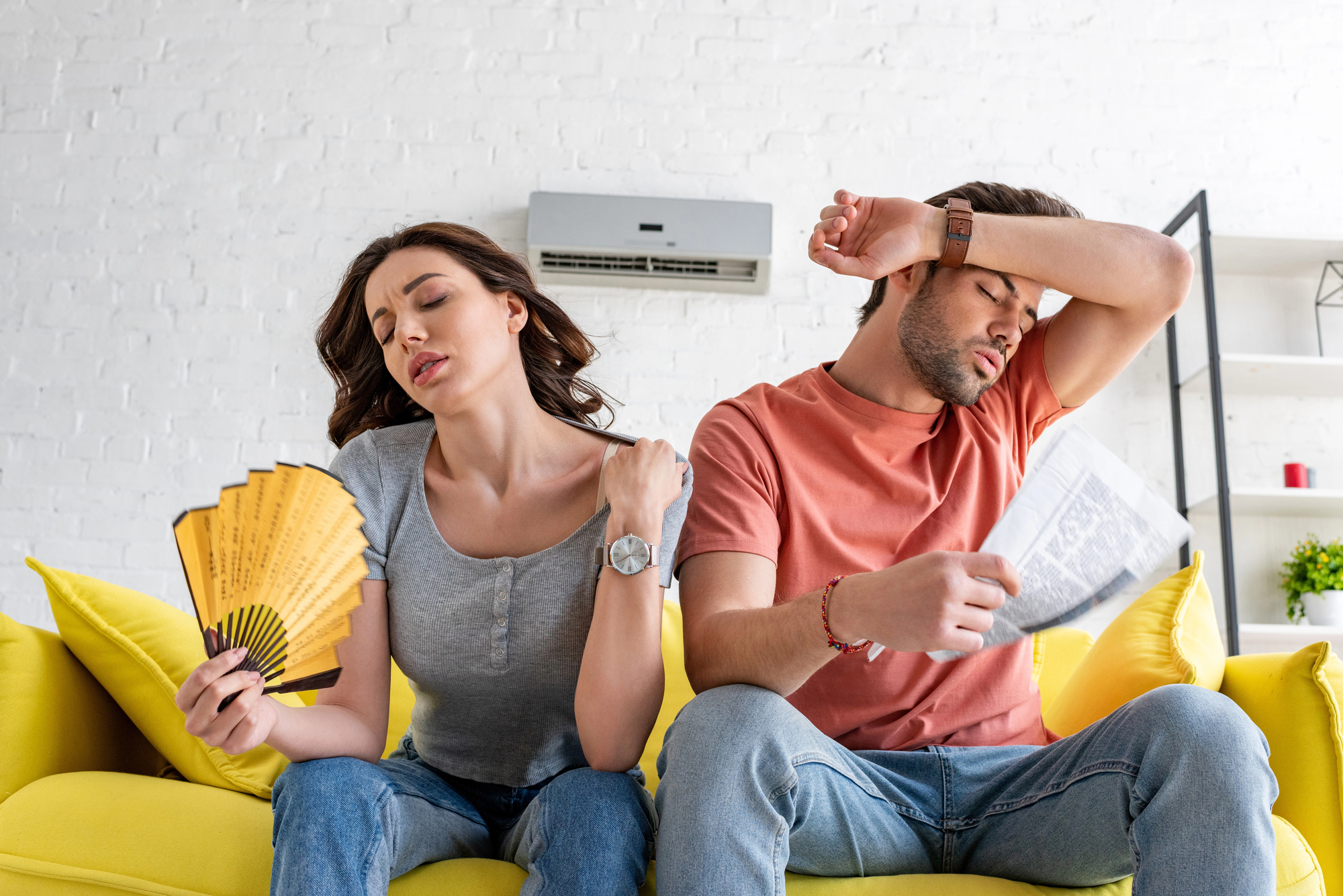
Living in Texas means we’ve all heard someone brush off heat-related symptoms with a “I’m fine, I’m just hot” or “I’ll tough it out.” But when it comes to heat illness, that Texas pride can turn dangerous fast. The difference between heat exhaustion and heat stroke isn’t just medical semantics—it’s the line between needing rest and fluids versus needing an ambulance. With our Austin summers routinely pushing triple digits and outdoor activities year-round, understanding these red flags could save your life or someone else’s.
Your body is remarkably good at regulating temperature, but extreme heat combined with physical activity can overwhelm even the healthiest person’s cooling system. Heat illness exists on a spectrum, starting with heat cramps and progressing through heat exhaustion to the life-threatening emergency of heat stroke.
Heat exhaustion happens when your body loses excessive water and salt through sweating. Think of it as your body’s warning system getting loud. Heat stroke, on the other hand, means that warning system has failed completely. Your core body temperature rises to dangerous levels—typically above 104°F—and your organs start taking damage. This is a medical emergency with a narrow treatment window.
The critical difference? With heat exhaustion, your body is still trying to cool itself through sweating. With heat stroke, that mechanism has shut down entirely.
Heat exhaustion symptoms can sneak up gradually, especially if you’re focused on finishing that hike at the Greenbelt or getting through an outdoor event. You might notice heavy sweating—your shirt completely drenched even though you’re just standing around. Weakness and fatigue feel disproportionate to what you’re actually doing.
Many people describe feeling dizzy or lightheaded, sometimes accompanied by nausea or vomiting. Your skin stays moist and cool despite the heat, which distinguishes this from heat stroke. You might develop a headache or muscle cramps, particularly in your legs or abdomen. Some people notice their heart racing or breathing becoming rapid and shallow.
Confusion or irritability can appear, but you’re still fundamentally alert and oriented. If someone asks your name or the date, you can answer, even if you feel awful.
Here’s what matters: these symptoms mean stop everything immediately. Move to air conditioning or at least shade, drink water or sports drinks with electrolytes, and cool down with wet cloths or a cool shower. Most people recover within 30 minutes to an hour with proper rest and hydration. If symptoms persist beyond an hour or worsen, seek medical care.
Heat stroke changes everything. This is when your body’s temperature regulation has completely failed, and you’re in genuine danger of permanent organ damage or death. Time becomes critical—every minute counts.
The hallmark sign is altered mental status. This isn’t just feeling tired or grumpy. We’re talking about genuine confusion, slurred speech, irritability that seems out of character, seizures, or even unconsciousness. Someone with heat stroke might not know where they are, might act aggressively when that’s unlike them, or might seem disconnected from reality.
Their skin typically feels hot and dry—the sweating mechanism has shut down. However, don’t be fooled: if someone was recently exerting themselves, they might still have some moisture on their skin from earlier sweating. Hot skin is the key indicator, regardless of moisture.
Core body temperature climbs dangerously high. Breathing becomes rapid and shallow. The heart races, sometimes with a weak pulse. Nausea and vomiting are common, and some people lose consciousness entirely.
If you suspect heat stroke, call 911 immediately. Don’t wait to see if symptoms improve. Don’t waste time wondering if you’re overreacting. While waiting for emergency services, move the person to shade or air conditioning and start cooling them however possible—wet towels, ice packs on the neck and armpits, fanning them, anything to bring that core temperature down.
There’s something about our culture here that makes people hesitate to acknowledge when heat is getting the better of them. We see it constantly—people at outdoor festivals who’ve been feeling off for an hour but don’t want to “ruin everyone’s fun.” Construction workers who push through symptoms because they’ve “worked in worse heat.” Athletes who think admitting discomfort shows weakness.
This mindset is particularly dangerous because heat illness progresses. What starts as “I just need to sit down for a minute” can become a medical emergency within 10 to 15 minutes. The progression from heat exhaustion to heat stroke isn’t always gradual—sometimes it’s alarmingly fast.
Young, healthy people are not immune. In fact, they’re often at higher risk because they push themselves harder and longer before acknowledging something’s wrong. We’ve seen high school athletes, marathon runners, and people in excellent physical condition develop severe heat stroke.
While anyone can develop heat illness, certain groups face elevated risk during our long, hot summers. Older adults don’t adjust to temperature changes as efficiently, and many take medications that interfere with heat regulation. Young children, especially infants, have developing temperature regulation systems that can’t keep up with extreme heat.
People with chronic health conditions—heart disease, diabetes, obesity—have bodies already working harder to maintain equilibrium. Medications including certain blood pressure drugs, antihistamines, and psychiatric medications can impair your body’s cooling ability.
If you’re new to Texas, your body hasn’t yet adapted to our heat. That adaptation takes weeks, not days. Even if you’re fit and healthy, those first Austin summers require extra caution.
The most effective treatment for heat illness is never developing it in the first place. That means adjusting your mindset about heat, especially during those June through September stretches when heat indices regularly exceed 105°F.
Schedule outdoor activities for early morning or evening. If you’re exercising outside, that 6 AM run is significantly safer than the 2 PM version. When mid-day outdoor time is unavoidable—whether for work or activities—build in regular breaks in air conditioning or deep shade.
Hydration starts before you feel thirsty. By the time thirst kicks in, you’re already behind. Drink water consistently throughout the day, and if you’re sweating heavily, incorporate drinks with electrolytes. Alcohol and caffeine work against you in heat, increasing fluid loss.
Clothing matters more than people realize. Light-colored, loose-fitting clothes allow sweat to evaporate and heat to escape. Those trendy dark athleisure outfits trap heat against your body.
Know your personal risk factors. If you take medications or have chronic conditions, talk with your doctor about how these affect your heat tolerance and what extra precautions make sense for your situation.
Heat stroke clearly requires 911. But what about the gray areas? If you’ve experienced heat exhaustion symptoms that mostly resolved with rest and fluids but you still don’t feel right after several hours, that warrants medical evaluation. Sometimes heat exhaustion causes enough dehydration that you need IV fluids to fully recover.
If you’re experiencing repeated episodes of heat-related symptoms—maybe you keep getting dizzy and nauseated during outdoor activities even when you think you’re being careful—that’s worth discussing with your doctor. You might have an underlying condition affecting temperature regulation, or your medications might need adjustment.
Anyone who’s had severe heat illness should follow up with their primary care provider afterward. Sometimes there are lingering effects that need monitoring, and you’ll want guidance about safely returning to normal activities.
Texas heat is something we live with from spring through fall, and most of us navigate it successfully most of the time. But recognizing the real difference between heat exhaustion and heat stroke—and knowing when that “I’m fine” attitude needs to give way to genuine concern—can be lifesaving. Those warning signs aren’t suggestions to push through; they’re your body demanding immediate action.
If you’ve experienced heat-related symptoms, have concerns about your heat tolerance, or want to discuss how your health conditions or medications might affect your ability to handle Austin’s climate, the team at Family Medicine Austin can help. We’re here to provide the preventive care and guidance that keeps you safe through every Texas summer. Give us a call at 512-872-6868 at our Austin or Leander locations to schedule a consultation and get personalized advice for staying healthy in the heat.