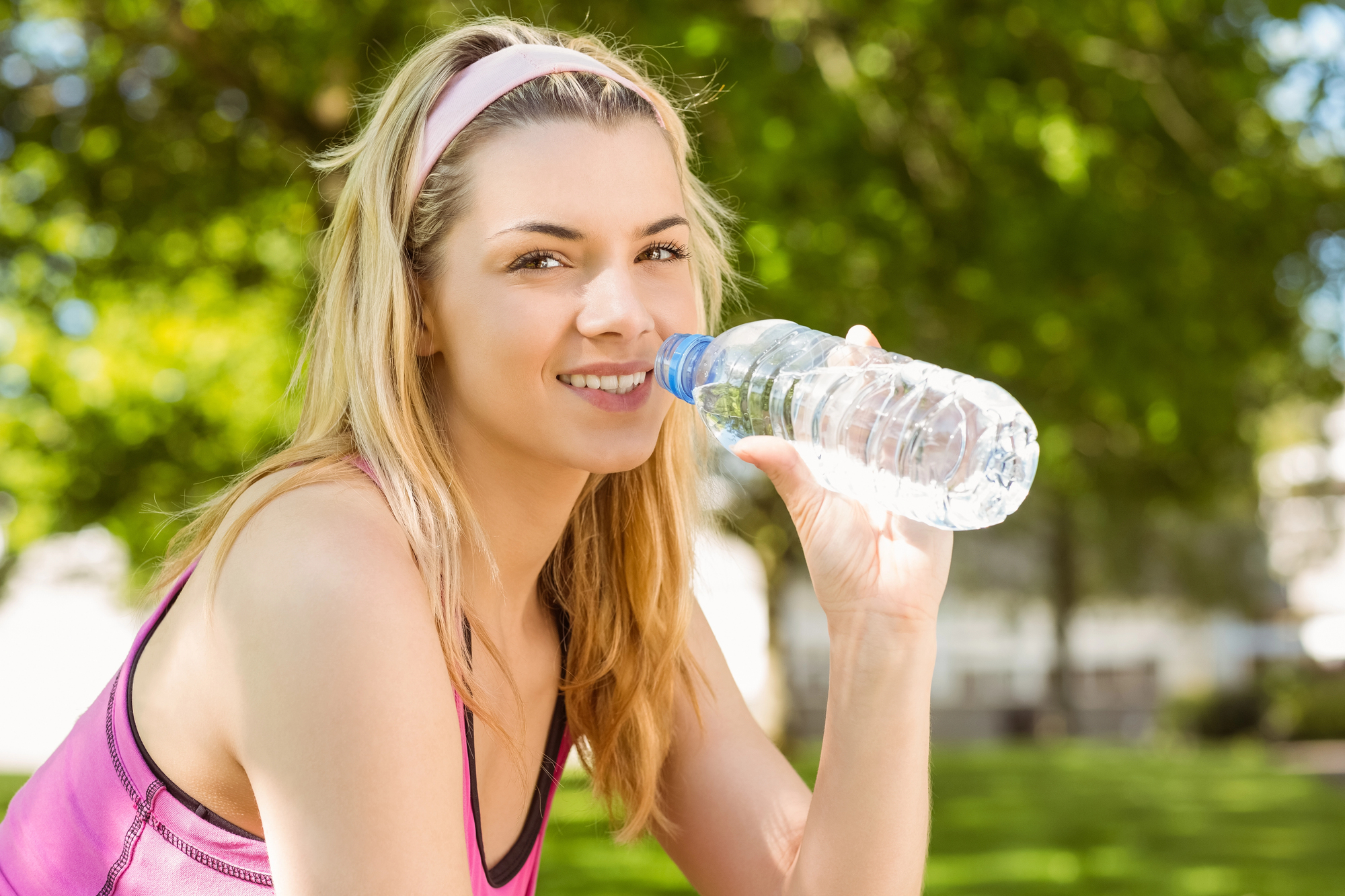
If you’ve spent even one summer in Texas, you know the heat here isn’t just uncomfortable—it can be downright dangerous. When temperatures soar well above 100 degrees and the heat index makes it feel even hotter, your body’s hydration needs change dramatically. While we’ve all heard the advice to “drink more water,” the truth is that during a Texas summer, water alone might not be enough to keep you properly hydrated and healthy.
The heat index combines temperature and humidity to show what the air actually feels like on your skin. Here in Central Texas, we regularly see heat indices climbing to 110 degrees or higher during July and August. At these levels, your body works overtime to cool itself through sweating, which means you’re losing not just water, but crucial electrolytes that keep your systems functioning properly.
Most people don’t realize that you can be drinking plenty of water and still become dangerously dehydrated if you’re not replacing the minerals your body loses through sweat. This is especially true for anyone spending time outdoors—whether you’re hiking the Barton Creek Greenbelt, working in your yard, or watching your kids play soccer.
Electrolytes are minerals in your blood and bodily fluids that carry an electric charge. The main ones include sodium, potassium, magnesium, and calcium. These aren’t just nice-to-have nutrients—they’re essential for muscle function, nerve signaling, maintaining proper pH balance, and regulating the amount of water in your body.
When you sweat heavily in the Texas heat, you’re losing significant amounts of these electrolytes. If you replace the lost fluid with plain water but not the minerals, you can actually dilute the electrolyte concentration in your blood to dangerous levels, a condition called hyponatremia. Symptoms can include nausea, headache, confusion, and in severe cases, seizures or loss of consciousness.
This is why marathon runners and endurance athletes have long known that sports drinks aren’t just marketing hype—they serve a genuine physiological purpose. But you don’t have to be running a race to need electrolyte replacement. Even moderate outdoor activity in extreme heat can deplete your body’s mineral stores.
The key to staying properly hydrated during our brutal summers is planning ahead and listening to your body. Start hydrating before you even step outside. If you know you’ll be spending time in the heat, begin drinking fluids a few hours in advance rather than waiting until you feel thirsty. By the time your brain registers thirst, you’re already mildly dehydrated.
For activities lasting less than an hour in the heat, water is usually sufficient. But once you’re looking at extended time outdoors, especially if you’re being active, you need to think about electrolyte replacement. This doesn’t necessarily mean chugging sugary sports drinks all day. Coconut water, electrolyte tablets or powders, and even foods like bananas, avocados, and salted nuts can help maintain your mineral balance.
Pay attention to your sweat rate too. If you’re sweating heavily and your shirt is soaked, you’re losing a lot of sodium. In these situations, lightly salted foods or drinks with sodium can actually be beneficial, contrary to the general advice to reduce salt intake.
It might sound counterintuitive, but drinking too much plain water during intense heat exposure can be harmful. This typically happens when someone becomes overzealous about hydration and drinks large quantities of water without replacing electrolytes. Athletes have ended up in emergency rooms because of this well-intentioned but misguided approach.
A good rule of thumb is to drink when you’re thirsty and pay attention to the color of your urine. Pale yellow is ideal—if it’s completely clear, you might actually be overhydrated. Dark yellow or amber means you need more fluids.
Before heading outdoors, check not just the temperature but the heat index forecast. When the heat index reaches 103 degrees or higher, the National Weather Service considers conditions dangerous, and heat-related illness becomes significantly more likely. At 125 degrees and above, heat stroke is imminent with continued exposure.
On extremely hot days, consider rescheduling outdoor activities for early morning or evening hours. If you must be outside during peak heat, take frequent breaks in air-conditioned or shaded areas, wear lightweight and light-colored clothing, and be extra vigilant about hydration.
Even with the best planning, heat-related illness can sneak up on you. Early warning signs include excessive thirst, decreased urination, dark urine, fatigue, dizziness, and muscle cramps. These symptoms mean your body is struggling to maintain its cooling system and electrolyte balance.
More serious symptoms like confusion, rapid heartbeat, nausea, or stopping sweating altogether require immediate medical attention. Heat exhaustion can rapidly progress to heat stroke, which is a life-threatening emergency.
Certain people face higher risks in the heat, including older adults, young children, pregnant women, and anyone with chronic health conditions like diabetes or heart disease. Medications can also affect your body’s ability to regulate temperature and maintain hydration.
Everyone’s hydration needs are different based on body size, activity level, overall health, and even how acclimated you are to the heat. Someone who’s lived in Texas for years may handle the summer heat differently than someone who just moved here from a cooler climate.
The best approach is to develop a personalized hydration strategy that works for your lifestyle and health status. This might mean carrying a water bottle with electrolyte tablets during your daily walk, setting reminders to drink throughout the day, or adjusting your outdoor schedule during the hottest months.
Texas summers demand respect and preparation. If you’re unsure about your hydration needs, have experienced heat-related illness, or want to discuss how your health conditions or medications might affect your heat tolerance, we’re here to help. The team at our Austin and Leander locations understands the unique challenges of staying healthy in Central Texas and can provide personalized guidance for you and your family. Give us a call at 512-872-6868 to schedule an appointment and develop a summer wellness plan that keeps you safe and active, no matter how high the thermometer climbs.