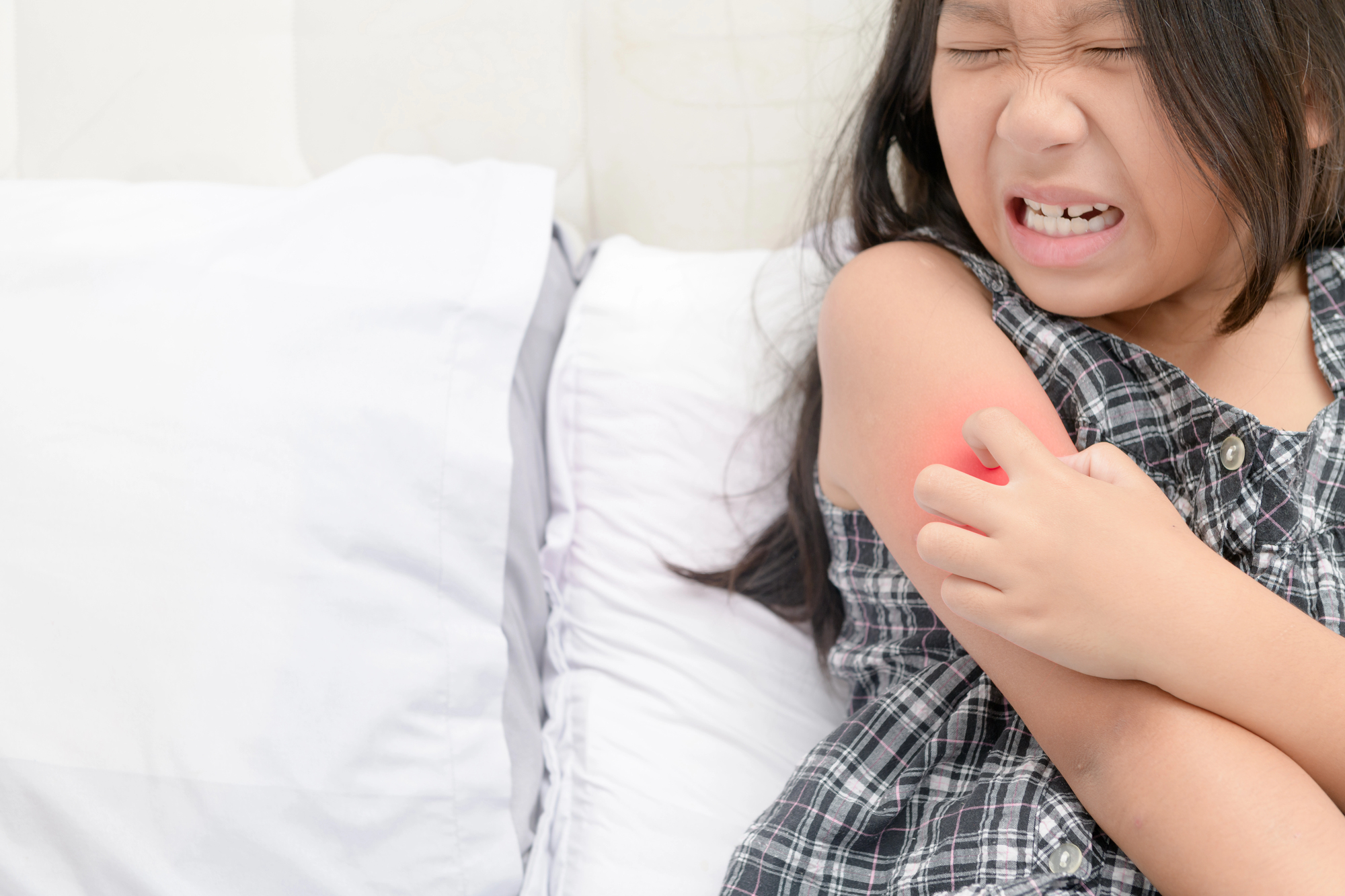
Living in Central Texas means enjoying beautiful outdoor spaces, vibrant city life, and plenty of sunshine. But it also means sharing our environment with mosquitoes that can carry West Nile virus. While most mosquito bites are just annoying, understanding West Nile virus can help you protect yourself and know when to seek medical attention. Let’s walk through what every Austin-area resident should know about this mosquito-borne illness.
West Nile virus is a disease transmitted primarily through the bite of an infected mosquito. It first appeared in the United States in 1999 and has since become the most common mosquito-borne illness in North America. Here in Texas, we see cases every year, typically peaking during the warmer months when mosquito activity increases.
The virus cycles between mosquitoes and birds, but humans and horses can become infected when bitten by a mosquito carrying the virus. The good news? You can’t catch West Nile from another person through casual contact, and most people who are infected never even know it.
About one in five people infected with West Nile virus will develop symptoms, which typically appear between three and fourteen days after being bitten by an infected mosquito. These symptoms often resemble a mild flu and may include fever, headache, body aches, joint pain, fatigue, and sometimes a skin rash or swollen lymph nodes.
For most people who develop symptoms, the illness is unpleasant but resolves on its own within a week or two. However, approximately one in 150 infected individuals will develop a serious, sometimes fatal, neurological illness. This severe form can include high fever, severe headache, stiff neck, disorientation, tremors, seizures, muscle weakness, or even paralysis.
Certain groups face higher risk for severe disease. If you’re over 60 years old, have a weakened immune system due to illness or medication, or have certain chronic medical conditions like diabetes or kidney disease, you should be especially vigilant about prevention and quick to seek medical care if symptoms develop.
If you’re experiencing symptoms consistent with West Nile virus, especially during mosquito season, your healthcare provider can order blood tests to check for antibodies against the virus. In cases where neurological symptoms are present, additional testing of spinal fluid may be necessary.
Timing matters with these tests. Antibodies may not appear immediately after infection, so your doctor might recommend retesting if initial results are negative but symptoms persist. It’s worth noting that testing isn’t always necessary for mild cases, as treatment remains the same regardless of test results. Your primary care provider can help determine whether testing makes sense for your specific situation.
Currently, there’s no specific antiviral treatment for West Nile virus. For mild cases, treatment focuses on managing symptoms. This typically means rest, staying well-hydrated, and using over-the-counter pain relievers to reduce fever and ease aches. Given Austin’s heat, staying hydrated becomes especially important when you’re fighting any infection.
People who develop severe neurological symptoms need immediate hospitalization. Treatment in these cases is supportive and may include intravenous fluids, pain management, and nursing care. Some patients may require ventilator support if breathing becomes affected. Recovery from severe West Nile virus can take weeks or months, and some neurological effects may be permanent.
This is why prevention and early recognition are so important. While we can’t prevent every mosquito bite, we can significantly reduce our risk and know when to seek medical attention.
Prevention really is your best defense against West Nile virus. The strategies aren’t complicated, but they do require some consistency, especially during peak mosquito season from May through October.
When you’re heading outdoors, particularly during dawn and dusk when mosquitoes are most active, wear long sleeves and pants when practical. Yes, this can be challenging in Texas heat, but even lightweight, light-colored clothing provides a barrier. Use EPA-registered insect repellents containing DEET, picaridin, or oil of lemon eucalyptide. These products work, and when used according to directions, they’re safe for adults and children.
Around your home, eliminate standing water where mosquitoes breed. This includes flowerpot saucers, bird baths, gutters, old tires, and any containers that collect rainwater. Change the water in pet bowls and bird baths at least twice weekly. If you have a swimming pool, keep it chlorinated and circulating.
Make sure your window and door screens fit properly and don’t have holes. Consider using mosquito netting if you’re spending extended time outdoors, especially with infants who are too young for insect repellent.
If you enjoy Austin’s wonderful parks and outdoor spaces, don’t stop. Just be smart about protection. Apply repellent before you head out, and reapply according to product directions, especially if you’re sweating or swimming.
Most people with mild symptoms can manage at home, but certain warning signs warrant immediate medical attention. Seek care right away if you develop severe headache, stiff neck, confusion, difficulty staying awake, muscle weakness, vision problems, tremors, seizures, or numbness. These could signal the more serious neurological form of the disease.
Even if symptoms seem mild, it’s worth contacting your primary care provider if you’ve had recent mosquito bites and develop fever along with other symptoms, especially if you’re in a higher-risk group. Early evaluation can provide peace of mind and ensure you receive appropriate care if needed.
Your primary care doctor knows your medical history and can assess your individual risk factors. They can also help distinguish West Nile symptoms from other illnesses that might require different treatment approaches.
Public health departments throughout Central Texas monitor West Nile virus activity by testing mosquito populations and tracking human and animal cases. Some communities conduct mosquito control activities, including spraying in areas with high mosquito counts or confirmed virus activity. Staying informed about local mosquito-borne disease activity can help you adjust your prevention strategies.
Climate and weather patterns affect mosquito populations, so some years bring higher West Nile activity than others. Following local health department updates during mosquito season gives you current information about risk levels in our area.
Living in Austin means accepting mosquitoes as part of our ecosystem, but that doesn’t mean accepting unnecessary risk. With straightforward prevention measures and awareness of symptoms, you can enjoy outdoor activities while minimizing your chances of mosquito-borne illness.
If you have concerns about West Nile virus, questions about symptoms you’re experiencing, or want to discuss your personal risk factors, the team at Family Medicine Austin is here to help. We serve patients throughout Austin and Leander with comprehensive primary care that includes evaluation and management of mosquito-borne illnesses. Call us at 512-872-6868 to schedule an appointment or discuss your symptoms with a member of our care team.