Living in Austin means enjoying beautiful outdoor spaces year-round, from hiking the Greenbelt to relaxing in Zilker Park. But with our warm climate and outdoor lifestyle comes an unwelcome reality: bugs that bite. Mosquitoes, ticks, and chiggers thrive in Central Texas, and while most bites are simply annoying, some can lead to serious health complications. Understanding how to prevent bites, recognize concerning symptoms, and know when to seek medical attention can protect you and your family from both minor irritations and potentially dangerous infections.
Central Texas provides the perfect environment for mosquitoes, ticks, and chiggers to flourish. Our mild winters mean these pests remain active longer than in northern states, and our humid summers create ideal breeding conditions. The combination of green spaces, creeks, and wooded areas throughout Austin and Leander means residents are regularly exposed to these insects, especially during outdoor activities.
Mosquitoes breed in standing water, which can accumulate anywhere from clogged gutters to flower pots after our occasional heavy rains. Ticks prefer tall grasses and wooded areas, waiting to attach to passing hosts. Chiggers, the nearly invisible larvae of harvest mites, lurk in vegetation and are particularly common in areas with thick brush or unmowed grass.
The most effective approach to dealing with biting bugs is avoiding them in the first place. When spending time outdoors in Austin, especially during peak bug season from April through October, wear light-colored, long-sleeved shirts and long pants tucked into socks when hiking or working in the yard. This might seem uncomfortable in our Texas heat, but lightweight, breathable fabrics can provide protection without causing you to overheat.
Insect repellent remains your best defense. Products containing DEET, picaridin, or oil of lemon eucalyptus effectively repel mosquitoes and ticks. Apply repellent to exposed skin and clothing, following product directions carefully. For families with young children, choose age-appropriate formulations and avoid applying repellent to children’s hands, which often end up in mouths.
Around your home, eliminate standing water where mosquitoes breed. Check gutters, birdbaths, pet bowls, and any containers that collect rainwater at least weekly. For tick prevention, keep grass mowed short and create a barrier of wood chips or gravel between wooded areas and your lawn. Consider treating clothing and gear with permethrin, an insecticide that remains effective through several washings.
After spending time outdoors, especially in wooded or grassy areas, perform a thorough tick check on yourself, children, and pets. Ticks can be as small as a poppy seed, so examine carefully. Shower within two hours of coming indoors to wash away any chiggers before they attach.
Mosquito bites typically appear as raised, itchy bumps that develop shortly after being bitten. Most people are familiar with these common reactions. The real concern with mosquitoes isn’t the bite itself but the diseases they can transmit, including West Nile virus, which has been detected in mosquitoes throughout Travis County.
Tick bites often go unnoticed initially because ticks inject an anesthetic substance while feeding. You might discover an attached tick during a body check or notice a small red bump after the tick has dropped off. The hallmark sign of Lyme disease, a bulls-eye rash called erythema migrans, appears in some but not all cases. Rocky Mountain spotted fever, another tick-borne illness found in Texas, can cause a distinctive spotted rash along with fever and headache.
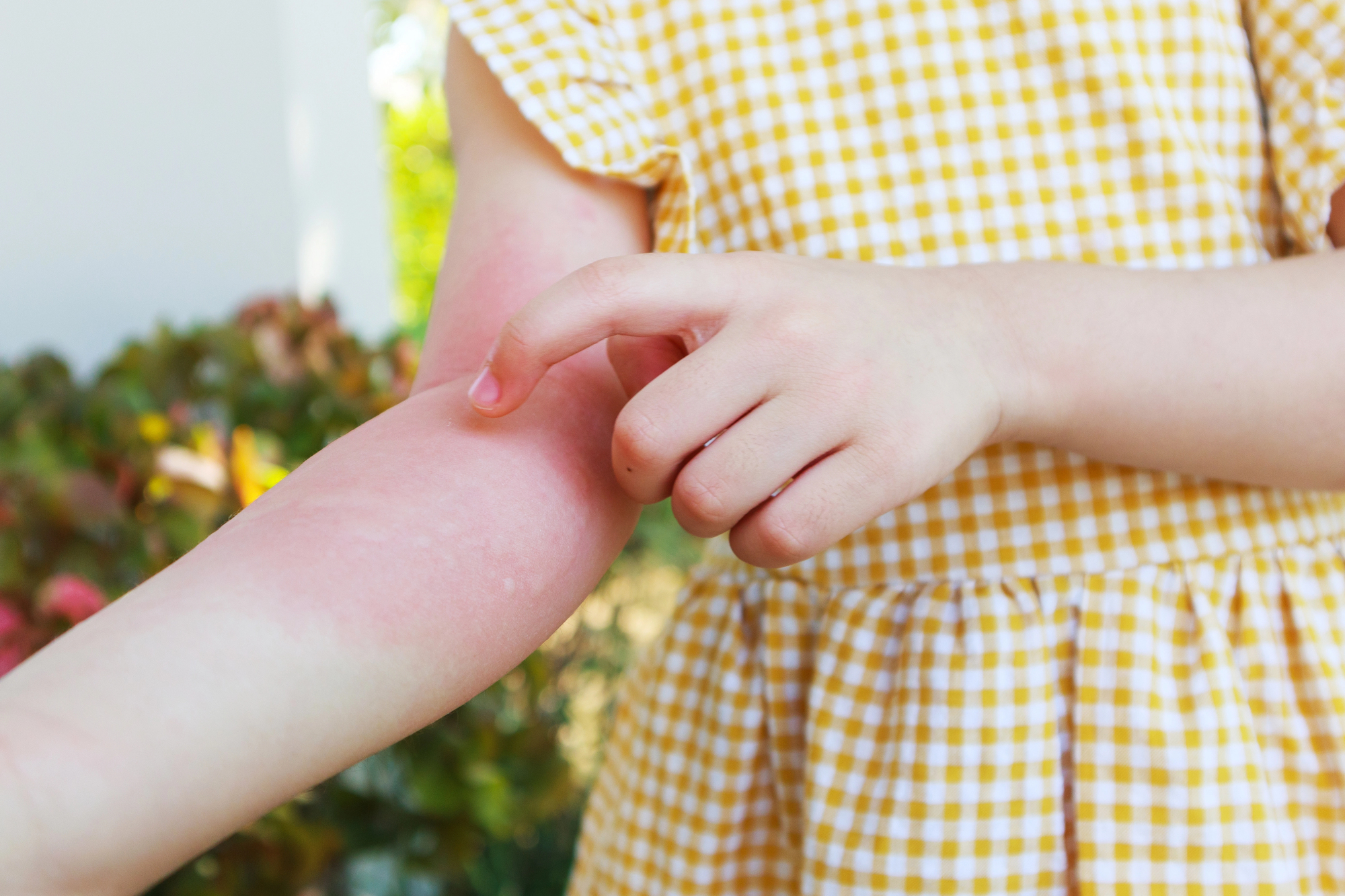
Chigger bites create intensely itchy red welts, usually appearing in clusters around areas where clothing fits snugly, like waistbands, sock lines, or underarms. Unlike ticks, chiggers don’t burrow into skin or remain attached, though the myth persists. The itching from chigger bites can last for several days to weeks.
Most bug bites can be managed at home with over-the-counter anti-itch creams, cold compresses, and oral antihistamines. However, certain symptoms warrant professional medical evaluation.
Seek immediate medical care if you develop signs of a severe allergic reaction, including difficulty breathing, swelling of the face or throat, rapid heartbeat, dizziness, or widespread hives. These symptoms indicate anaphylaxis, a medical emergency requiring prompt treatment.
For tick bites specifically, see your doctor if you develop fever, headache, fatigue, or muscle aches within several weeks of being bitten, even if you don’t remember the tick bite or see a rash. Early treatment of tick-borne diseases significantly improves outcomes. If you find an attached tick, remove it promptly using fine-tipped tweezers, grasping close to the skin and pulling upward with steady pressure. Save the tick in a sealed container or bag in case your doctor wants to identify the species.
Contact your healthcare provider if any bug bite shows signs of infection, including increasing redness, warmth, swelling, pus, or red streaks extending from the bite. Fever developing several days after a bite may indicate infection. Sometimes what seems like a simple bug bite can develop into cellulitis, a bacterial skin infection requiring antibiotic treatment.
Bites that don’t improve with home treatment, become increasingly painful rather than itchy, or develop unusual appearances like blisters, bruising, or dark discoloration should also be evaluated by a medical professional.
Children often have more pronounced reactions to bug bites than adults, with larger areas of swelling and more intense itching. However, those same dramatic reactions don’t necessarily indicate anything serious. Teaching children not to scratch bites prevents secondary infections, though this can be challenging with particularly itchy chigger bites.
People with compromised immune systems, whether from medical conditions or medications, should be especially vigilant about preventing bites and monitoring for signs of infection. Pregnant women should also take extra precautions, as some mosquito-borne illnesses can affect pregnancy outcomes.
Outdoor workers and enthusiasts who spend significant time in wooded or grassy areas face higher exposure and should be particularly conscientious about prevention strategies and symptom monitoring.
You shouldn’t have to give up hiking the trails at Commons Ford Ranch Metropolitan Park or camping at McKinney Falls State Park because of biting bugs. With proper precautions, awareness of symptoms, and knowledge of when to seek care, you can enjoy everything our Central Texas outdoor lifestyle offers while minimizing risks from mosquitoes, ticks, and chiggers.
Remember that while most bug bites resolve on their own without complications, certain symptoms require professional medical evaluation. Trust your instincts—if something doesn’t seem right about a bite or you’re developing concerning symptoms, it’s always better to get checked out.
If you’re experiencing symptoms after a bug bite, notice signs of infection, or have questions about tick-borne illnesses and prevention, our team is here to help. We understand the unique health concerns that come with living in Central Texas and can provide guidance specific to your situation. Contact us at 512-872-6868 to schedule an appointment at our Austin or Leander location. Don’t let uncertainty about a bite keep you up at night—let us provide the peace of mind and care you need.